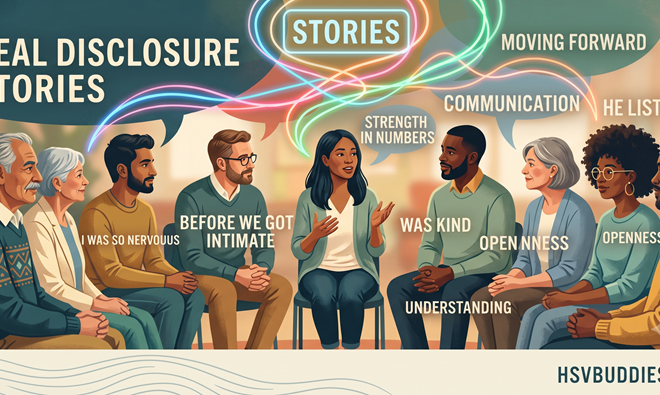
Getting diagnosed with herpes can feel like your social world suddenly changed overnight. Many people worry that friendships, dating, parties, relationships, and even everyday conversations will never feel normal again. The fear is often bigger than the virus itself.
What makes things harder is the silence around the topic. Most people never openly discuss the emotional side of herpes, especially how it affects confidence, trust, and connection with others. The truth is this: millions of people live full and active social lives after a herpes diagnosis.
This guide explores the real experience of Bold Herpes And Social Life, including the emotional struggles people rarely talk about and practical ways to regain confidence without feeling isolated or ashamed.
The Emotional Shock Nobody Prepares You For
One of the hardest parts of herpes is not always the physical symptoms. For many people, it is the emotional impact that feels overwhelming in the beginning.
After diagnosis, people often ask themselves:
- “Will people judge me?”
- “Can I still date normally?”
- “Should I tell my friends?”
- “Will anyone want me anymore?”
These thoughts are extremely common. The internet often focuses only on outbreaks and medical facts, while the emotional side gets ignored. This is why so many people silently struggle with Bold Herpes Emotional Impact.
A herpes diagnosis can temporarily affect self-esteem because society has attached unnecessary shame to sexually transmitted infections. But herpes does not define intelligence, cleanliness, attractiveness, or worth. It is simply a medical condition that millions of people manage every day.
Over time, most people realize the fear of rejection is often worse than reality itself.
Understanding the Reality of Herpes Stigma
The biggest challenge many people face is not herpes itself but the social stigma around it.
The Bold Herpes Stigma exists largely because of misinformation, jokes in media, and lack of education. People often fear what they do not understand. Unfortunately, this creates embarrassment and anxiety for those living with the condition.
What nobody tells you is that many people around you either:
- already have herpes,
- know someone who does,
- or are simply more understanding than you expect.
Once people learn the actual facts, many reactions become less dramatic than feared. The stigma starts losing power when accurate information replaces fear.
This is especially important when thinking about bold social life with herpes. Isolation usually happens because people assume rejection before giving others a chance to respond.
Friendships After a Herpes Diagnosis
Many people become nervous around close friends after diagnosis. Some stop attending social events because they fear someone might “find out.”
But herpes does not prevent you from having normal friendships. It does not change your personality, your humor, your kindness, or your value as a friend.
In fact, many people eventually choose to open up to one trusted friend and discover unexpected support.
A common experience shared in online support groups is:
“I thought my friends would judge me, but most of them barely reacted. Some even admitted they knew someone else with herpes.”
That moment often becomes a turning point. It reminds people they are not alone.
The Hidden Anxiety Around Dating
One area where herpes affects confidence most strongly is dating.
The fear of rejection can create intense stress. Many people avoid relationships completely because of bold dating and herpes stigma. Some stop flirting, stop using dating apps, or convince themselves nobody will accept them.
But the reality is far more hopeful than most people expect.
Healthy relationships still happen every day for people with herpes. Many couples successfully navigate disclosure conversations with honesty and maturity.
The biggest challenge is usually Bold Herpes Disclosure Anxiety — the fear of telling someone new.
People often imagine worst-case scenarios before disclosure even happens. But many partners appreciate honesty and respond with empathy rather than judgment.
Timing and communication matter. Disclosing calmly, confidently, and with accurate information often creates a much better response than apologizing or speaking with shame.
For example:
Instead of saying:
“I have something terrible to tell you.”
Confidence changes the tone of the conversation.
How Social Isolation Quietly Happens
After diagnosis, some people slowly pull away from social situations without realizing it.
They decline invitations.
> They stopped dating.
> They avoid emotional closeness.
> They spend more time alone.
This withdrawal often comes from fear, not choice.
One of the biggest lessons about Bold Living With Herpes Socially is understanding that isolation increases shame. The longer someone hides from connection, the more powerful fear becomes.
Staying socially active matters. Maintaining hobbies, friendships, routines, and normal activities helps rebuild identity outside the diagnosis.
Herpes is one part of your life — not your entire identity.
The Importance of a Support Community
One thing that helps many people emotionally heal is finding a bold herpes support community.
Online forums, support groups, podcasts, and private communities allow people to talk openly without judgment. Reading real experiences often removes the feeling of being “different.”
Many people say support communities helped them more emotionally than medical websites did.
Community discussions often include:
- dating success stories,
- disclosure advice,
- emotional coping strategies,
- relationship experiences,
- and practical life tips.
Hearing others speak confidently about herpes can completely change perspective.
Community Source Insights
Discussions from herpes support forums and online communities reveal several recurring themes:
- Most people feared rejection more than actual rejection.
- Confidence during disclosure often improved responses.
- Many found supportive romantic partners after diagnosis.
- Emotional healing became easier once they stopped isolating themselves.
- Education reduced shame dramatically.
One user shared:
“I lost months hiding from people because I thought my social life was over. It wasn’t. The moment I stopped seeing myself as damaged, things changed.”
Another wrote:
“I thought dating was impossible. Then I met someone who simply appreciated my honesty.”
These stories matter because they reflect real experiences, not stereotypes.
Coping With Social Situations Emotionally
Managing Bold Coping With Herpes Socially often means learning emotional balance.
Not everyone needs to know your diagnosis.
> Not every joke deserves your energy.
> Not every rejection is because of herpes.
Sometimes people reject relationships for completely unrelated reasons. But after diagnosis, people may incorrectly blame herpes for every negative experience.
Emotional resilience improves when people stop viewing themselves through shame.
Therapy, journaling, mindfulness, and trusted friendships can all help process emotional stress in healthier ways.
What Nobody Tells You About Acceptance
One surprising thing many people discover is that herpes eventually becomes emotionally smaller over time.
At first, it may feel overwhelming.
Later, it often becomes just another health condition to manage.
Many people eventually reach a point where:
- they date again confidently,
- disclose without panic,
- maintain active friendships,
- and stop thinking about herpes constantly.
Acceptance does not mean loving the diagnosis.
It means refusing to let it control your entire life.
FAQ
Is it possible to have a normal social life with herpes?
Yes. Millions of people maintain active friendships, relationships, careers, and social activities while managing herpes. A diagnosis does not prevent a fulfilling social life.
How do I handle herpes disclosure anxiety?
Preparation helps. Learn the facts, practice calm communication, and remember that disclosure is about honesty — not apologizing for existing.
Does herpes ruin dating?
No. While dating may feel emotionally harder at first, many people successfully build healthy and loving relationships after diagnosis.
Should I tell my friends I have herpes?
That decision is personal. You are not obligated to disclose to everyone. However, talking to trusted friends can sometimes reduce emotional isolation.
Why is the herpes stigma so strong?
Much of the stigma comes from misinformation, media jokes, and lack of education. In reality, herpes is extremely common and manageable.
Can confidence really return after diagnosis?
Absolutely. Many people report becoming emotionally stronger over time as they learn self-acceptance and connect with supportive communities.
Final Thoughts
Living With Herpes can affect emotions, confidence, and relationships in the beginning. But it does not mean your social life is over. The hardest part is often the fear and shame created by stigma — not the condition itself.
With education, support, honest communication, and time, many people rebuild confidence and create meaningful relationships again.
Your diagnosis does not erase your value.
It does not make you unlovable.
And it does not prevent genuine connection.
The more openly people talk about bold herpes and social life, the easier it becomes to replace fear with understanding.