Herpes Support in Texas: HSV Resources, Community & Dating Help

Last Updated: October 2026
Finding herpes support in Texas can help you navigate an HSV diagnosis, access reliable healthcare information, and feel more confident about relationships. Whether you live in Houston, Dallas, Austin, San Antonio, Fort Worth, El Paso, or a smaller Texas community, you can explore medical services, emotional support, and online communities that understand the challenges of living with herpes.
A herpes diagnosis can bring questions about treatment, disclosure, intimacy, and your future. You may feel uncertain about dating or worry about how others will react. These feelings are understandable, but herpes does not define your identity or prevent you from building meaningful relationships.
This guide explains where to find herpes support in Texas, how to access sexual health resources, and how to approach dating and emotional well-being with greater confidence.
Herpes Support Groups in Texas
Support groups offer a safe environment where individuals can share experiences, ask questions, and receive encouragement from others who truly understand what living with HSV is like.
Texas residents can benefit from both local and virtual support communities. While some cities occasionally host in-person meetings, many people now prefer online groups because they provide greater privacy, flexibility, and accessibility.
Joining a support group can help you:
- Learn practical coping strategies.
- Share experiences without fear of judgment.
- Build friendships with others living with HSV.
- Improve confidence in dating and relationships.
- Receive emotional support during difficult times.
Online communities also allow members from every part of Texas to connect regardless of location.
Healthcare Resources Throughout Texas
Texas offers excellent healthcare options for individuals living with herpes. Primary care physicians, gynaecologists, urologists, dermatologists, infectious disease specialists, and sexual health clinics regularly diagnose and manage HSV.
Healthcare providers can help you:
- Confirm an HSV diagnosis.
- Discuss antiviral medications.
- Manage outbreaks effectively.
- Reduce transmission risks.
- Address pregnancy-related concerns.
- Answer questions about long-term management.
Telehealth services have also expanded access to herpes care, allowing many Texans to consult healthcare professionals without leaving home.
Mental Health Support Is Just as Important
The emotional impact of herpes is often greater than the physical symptoms. Some people worry about rejection, experience anxiety, or lose confidence after diagnosis.
Speaking with a licensed therapist or counselor can help you process these emotions and develop healthy coping strategies.
Many people discover that after receiving accurate information and emotional support, they begin to feel hopeful again. Herpes becomes one part of life rather than the center of it.
Where to Find Herpes Support in Texas
Texas residents can explore public health departments, community clinics, healthcare professionals, and online support communities. The right option depends on whether you need testing, treatment, emotional support, or opportunities to connect with people who understand HSV.
1. Texas Department of State Health Services
The Texas Department of State Health Services provides public health information and resources related to sexually transmitted infections. Its online directories can help residents locate health services and identify providers to contact about sexual health concerns.
Visit the Texas DSHS HIV and STD Services page or the DSHS Services Near You directory. Contact a listed provider to confirm whether herpes testing, diagnosis, treatment, or counseling is available.
2. Local Sexual Health Clinics
Community health clinics and local health departments may provide sexual health consultations, STI testing, treatment, and referrals. Availability, cost, eligibility, and confidentiality policies vary by provider.
In Austin, explore Austin Public Health for sexual health services. Houston residents can contact Legacy Community Health, while Dallas residents can explore Prism Health North Texas. Ask each organization about its current HSV-specific services before scheduling an appointment.
If you live outside a major city, contact your county health department or search the statewide directory for nearby options.
3. National Herpes Education and Support
The American Sexual Health Association provides educational resources about genital herpes, sexual health, and communication with partners. Its information can help you prepare questions for a healthcare professional and better understand the condition.
Reliable education is particularly important when online discussions contain conflicting advice or exaggerated claims about HSV transmission and treatment.
PositiveSingles: A Trusted Community for Texas HSV Singles 
If you’re ready to expand your social circle or meet someone special, PositiveSingles is one of the world’s largest and most trusted communities for people living with herpes, HPV, HIV, and other STIs.
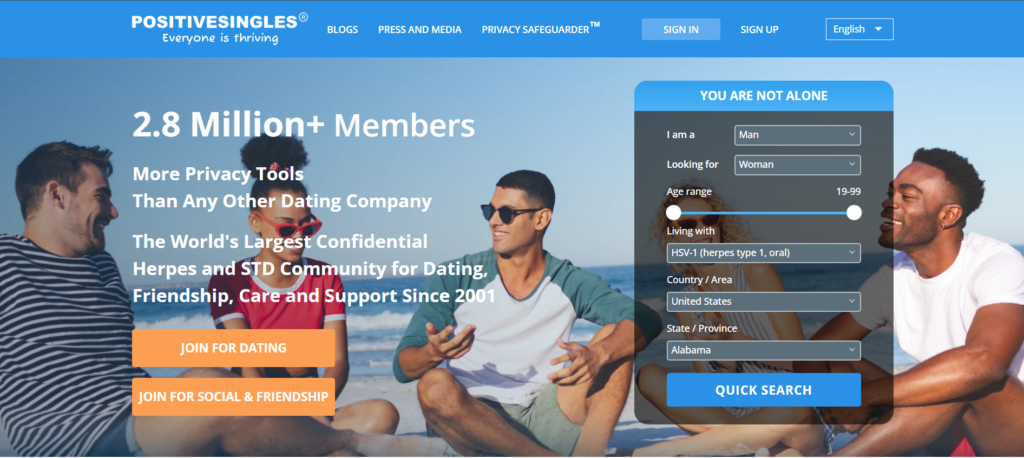
Thousands of members across Texas use PositiveSingles to connect in a private, welcoming, and judgment-free environment.
PositiveSingles offers features designed specifically for the HSV community, including:
- Private messaging with verified members.
- Advanced location-based matching across Texas.
- Discussion forums and community groups.
- Educational articles written for people living with HSV.
- Dating advice and relationship resources.
- Privacy controls that help protect your identity.
- Opportunities to build friendships before pursuing romance.
Whether you’re newly diagnosed or have been living with herpes for years, PositiveSingles provides a supportive environment where you can connect with people who understand your experiences without fear of judgment.
Living Confidently with HSV
Living well with herpes involves much more than treating occasional outbreaks.
Healthy lifestyle habits may help reduce outbreak frequency and improve overall well-being. Healthcare providers often recommend maintaining a balanced diet, getting regular exercise, managing stress, sleeping well, and following prescribed treatment plans when appropriate.
Many people also discover that self-confidence grows as they become more informed about HSV. Education reduces fear, making conversations with partners and healthcare providers much easier.
Remember, herpes is a medical condition—not a measure of your worth.
Managing Herpes Successfully
Managing herpes becomes easier with experience and proper medical guidance.
Many people successfully reduce outbreaks by identifying personal triggers, managing stress, getting adequate sleep, maintaining a healthy immune system, and taking antiviral medication when recommended by their healthcare provider.
Keeping track of outbreak patterns can also help identify factors that contribute to flare-ups.
Most importantly, remember that many people experience fewer outbreaks over time.
Talking to a Partner About Herpes
Disclosing your HSV status may feel intimidating, but honesty builds trust.
Choose a calm, private moment to have the conversation. Share accurate medical information, answer questions openly, and give your partner time to process the discussion.
Many couples discover that honest communication strengthens their relationship rather than weakening it.
A supportive partner will appreciate your openness and willingness to communicate honestly.
Herpes Support Resources in Major Texas Cities
Texas is geographically large, so the most practical resource depends on where you live.
Houston: Contact Legacy Community Health to ask about sexual health consultations, testing, and treatment options.
Dallas and Fort Worth: Explore Prism Health North Texas and local public health services to identify available sexual health resources.
Austin: Start with Austin Public Health to investigate local services and testing options.
San Antonio: Use the Texas DSHS service directory to locate nearby health departments and healthcare providers.
El Paso and rural Texas: Search the statewide directory for local providers and ask about telehealth options where available.
These are starting points rather than guarantees of HSV-specific services. Confirm availability, costs, eligibility, and appointment requirements directly with each provider.
Conclusion
Finding herpes support in Texas has never been easier. From experienced healthcare providers and licensed counselors to online support groups and trusted dating communities like PositiveSingles, there are many resources available to help you move forward with confidence.
Your diagnosis does not define you. With accurate information, emotional support, and a positive community, you can build meaningful friendships, enjoy healthy relationships, and live the life you deserve.
Frequently Asked Questions
Is herpes support available throughout Texas?
Yes. Texas residents can access healthcare providers, online HSV communities, counselling services, telehealth appointments, educational organisations, and dedicated dating platforms across nearly every region of the state.
Is herpes testing available in Texas?
Yes. Some clinics offer herpes testing, although availability and clinical eligibility vary. A clinician may recommend a swab test for an active sore or discuss blood testing when appropriate. Ask a healthcare professional which option best fits your circumstances.
Can I get herpes treatment in Texas?
Yes. Healthcare professionals can evaluate herpes and prescribe antiviral medication when appropriate. Treatment may help manage symptoms and reduce transmission risk. Contact a local clinic to confirm its services.
Why do many Texans choose PositiveSingles?
PositiveSingles provides a welcoming environment where people living with HSV can make friends, receive support, learn from educational resources, and build meaningful relationships with others who understand their experiences.
Medical Disclaimer: This article is for informational purposes only and should not replace professional medical advice, diagnosis, or treatment. If you have concerns about herpes symptoms, testing, or treatment, consult a qualified healthcare professional.