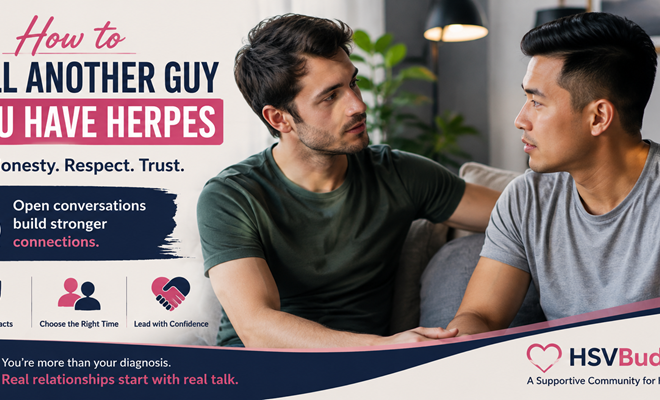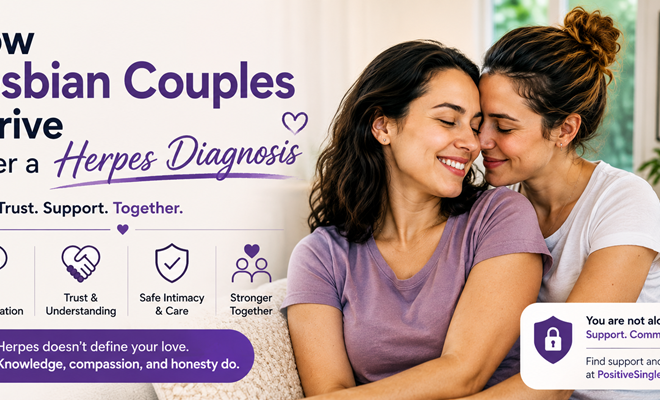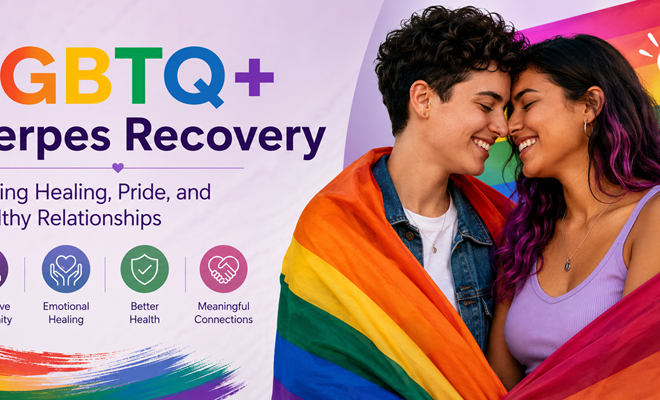
Imagine standing on the edge of love, the excitement of a new romance calling. The thrill of connection fills the air. But for those with a herpes diagnosis, this journey can feel clouded with doubt and fear. Dating after a herpes diagnosis brings its own set of challenges. However, it’s a path full of hope and resilience. It holds the potential for deep, meaningful connections.
Through insightful discussions, real-life stories, practical advice, and the power of shared experiences, we aim to empower you to embrace your worth, approach dating confidently, and embark on a journey to find love again. You are not alone on this path, and a world of possibilities is awaiting you beyond the diagnosis. Let’s step forward together and discover the love and happiness that can be found after herpes.
Preparing for Dating
Dating after a herpes diagnosis is a journey that begins with self-discovery, self-reflection, and the cultivation of self-confidence. It’s a process that empowers individuals to embrace their intrinsic self-worth while navigating the complexities of intimate relationships. Here, we explore the pivotal aspects of preparing for dating after herpes:
Importance of Self-Reflection:
- Understanding Your Needs: Before embarking on the dating journey, take ample time to reflect on your desires, aspirations, and the qualities you value in a partner. What are your long-term relationship goals? Are you companionship, love, or a combination of both? Understanding your needs is the foundation for making informed and fulfilling dating choices.
- Clarifying Your Long-Term Goals: Consider your vision for the future. What role does a romantic relationship play in that vision? By clarifying your long-term goals, you can align your dating experiences with your life objectives, ensuring that you invest your time and emotions wisely.
Setting Boundaries:
- Embrace Personal Boundaries: Establishing clear personal boundaries, including romantic ones, is essential in any relationship. Determine what you are comfortable with emotionally, physically, and psychologically. Your boundaries are a testament to your self-respect and self-care.
- Communicate Your Boundaries: Effective communication of your boundaries is crucial in dating. Honest and open discussions about your needs and limits with potential partners promote mutual understanding and respect. Healthy boundaries protect your emotional well-being and create a safe space for building connections.
- Recognize the Value of Boundaries: Boundaries serve as protective measures that safeguard your interests and values. They set the tone for your desired relationship and help filter potential partners who align with your preferences and respect your boundaries.
Preparing for dating after a herpes diagnosis is an empowering journey of self-discovery and self-assertion. Understanding your needs is critical. Clarifying your long-term goals helps guide your path. Setting and communicating boundaries creates a strong foundation. This process prepares you for meaningful connections. It also equips you with the tools for a successful dating experience. It reinforces your self-worth. Remember, you deserve love and respect in any relationship.
Online Dating and Herpes-Specific Platforms
Online dating provides a valuable option after a herpes diagnosis. Herpes-specific platforms offer support for those love. These platforms create a safe space for connection. Let’s explore the benefits of online dating for people with herpes. We’ll also look at specialized dating platforms. Plus, we’ll share tips for creating an engaging dating profile.
1. PositiveSingles
PositiveSingles is a widely respected and specialized dating platform created exclusively for individuals living with herpes and various sexually transmitted infections (STIs). It has a strong reputation for establishing a secure and nurturing environment, making it an ideal choice for those searching for love, friendship, and valuable information.
PositiveSingles welcomes individuals with a range of STIs, including herpes, HIV, HPV, and others. This inclusivity fosters community among individuals with similar health challenges and experiences.
One of the standout features of PositiveSingles is its emphasis on transparency. Members have the option to create profiles that prominently display their herpes status. This upfront disclosure helps eliminate the need for uncomfortable and potentially anxiety-inducing conversations about one’s health status with potential partners.
Beyond its role as a dating platform, PositiveSingles also serves as a supportive community. Members can participate in forums and chat rooms where they can engage in discussions, advice, and share their experiences related to living with herpes and other STIs. This aspect creates a network of understanding and empathy among its members.
2. MPWH (Meet People With Herpes):
MPWH, an acronym for Meet People With Herpes, stands out as a niche dating platform designed exclusively for individuals diagnosed with herpes, encompassing both HSV-1 and HSV-2. The platform’s primary mission is to bring together people who share similar experiences and can empathize with the distinct challenges of dating while living with herpes.
MPWH is a valuable resource for those dating with herpes. It provides a dedicated platform for connecting with similar experiences, empowering members to build meaningful relationships and find companionship. It fosters understanding and acceptance in the herpes community. Promotes a positive and empathetic outlook on dating with herpes.
Both PositiveSingles and MPWH serve as valuable resources for individuals with herpes who are love, friendship, or emotional support. These platforms offer community, transparency regarding herpes status, and a secure space for building connections and relationships. Whether you’re looking for romance or companionship, these platforms empower you to connect with like-minded individuals who understand the challenges and realities of dating with herpes.
Importance of Practicing Safe Sex:
- Preventing Transmission: The primary goal of safe sex practices is to prevent the transmission of herpes to your partner(s). Herpes can be transmitted through sexual contact, even when symptoms are absent. Using protection reduces this risk significantly.
- Protecting Your Partner: Safe sex not only safeguards your partner from contracting herpes but also demonstrates your commitment to their well-being and health. It’s a responsible and considerate approach to intimacy.
Tips on Using Protection and Reducing Transmission Risk:
- Use Condoms: Consistently using latex or polyurethane condoms during sexual activity can significantly reduce the risk of herpes transmission. Condoms create a barrier that prevents skin-to-skin contact, where the virus can be shed, especially during outbreaks.
- Antiviral Medication: Consult with a healthcare provider about antiviral medications, which can help reduce the frequency and severity of herpes outbreaks. This medication can also decrease the likelihood of transmission. Be sure to take it as prescribed.
- Avoid Sexual Activity During Outbreaks: The herpes virus is most contagious during outbreaks when sores or symptoms occur. It’s advisable to abstain from sexual activity during these times to minimize the risk of transmission.
- Regular Testing: Both you and your partner should undergo regular testing for sexually transmitted infections, including herpes. Knowing your and your partner’s status is essential for making informed decisions about sexual health.
- Discuss Boundaries and Limits: Communication with your partner(s) about your herpes status and their boundaries is crucial. Understand their comfort level with the risks and work together to find solutions that prioritize your well-being.
Conclusion
In conclusion, living with herpes doesn’t preclude you from finding love and forming meaningful relationships. This article has emphasized the importance of hope, self-acceptance, and the possibility of love after a herpes diagnosis. Embrace your worth, communicate openly, practice safe sex, and support from communities that understand your experiences. Remember that love and connection are attainable for everyone, regardless of their health status. Embrace your journey confidently, knowing you deserve happiness, love, and fulfilling relationships.