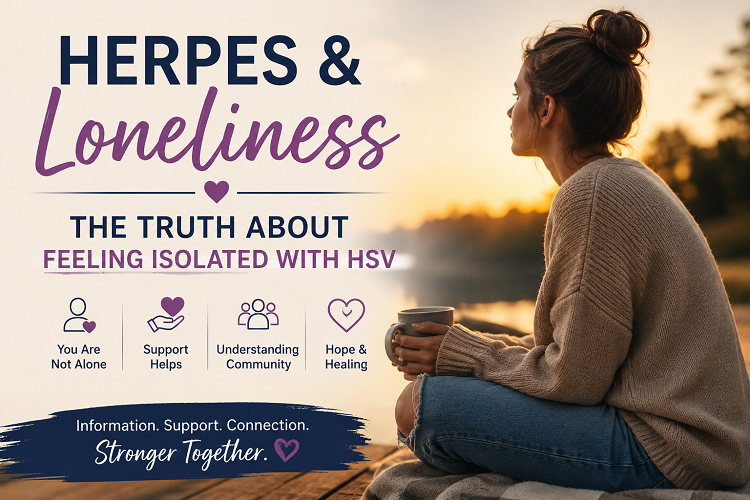
A herpes diagnosis can trigger emotions that many people do not expect. Beyond questions about symptoms or treatment, there is often a quieter emotional struggle: loneliness. Feeling isolated after learning you have HSV is common, but it does not mean you are alone, and it certainly does not define your future.
Many people living with herpes experience emotional distance from dating, friendships, or even family conversations because of fear, stigma, or uncertainty about disclosure. These feelings can be especially intense after a recent diagnosis, but they can improve with accurate information, emotional support, and meaningful human connection.
At HSVBuddies, we understand that herpes is not only a medical topic. It can also affect confidence, emotional wellbeing, and the way people think about relationships.
Herpes Affects People from Every Walk of Life
Herpes does not affect one type of person.
People living with HSV include:
- college students
- professionals
- parents
- divorced adults
- married individuals
- LGBTQ+ individuals
- straight singles
- seniors
- people from different cultures
- people with different religious backgrounds
- people interested in friendship
- people focused on long-term relationships
- people exploring dating again after years away
Recognizing this diversity helps reduce the false belief that herpes creates separation from “normal life.”
The Emotional Side Nobody Talks About
A herpes diagnosis can trigger a flood of emotions. Some people immediately think their dating life is over. Others worry friends or future partners will judge them. Many begin to withdraw socially because they feel different or “damaged.”
The hardest part is often not the virus itself. It is the fear.
Fear of rejection.
> Fear of disclosure.
> Fear of being misunderstood.
This emotional pressure can deeply affect Herpes Mental Health and create feelings of shame that become difficult to escape. Some people avoid relationships completely after diagnosis because they believe nobody will accept them again.
But the truth is very different from the fear.
Many people with herpes go on to have healthy relationships, marriages, families, friendships, and fulfilling social lives. The problem is that stigma is louder than reality online. Negative stereotypes often overpower the real stories of people who are happily living normal lives.
Why Loneliness Feels So Intense After Diagnosis
When people first experience Living With Herpes, they often isolate themselves emotionally. Even if friends and family are supportive, there is still an internal fear that nobody fully understands.
This can create a cycle:
- You feel ashamed
- You avoid opening up
- Isolation grows stronger
- Anxiety increases
- Loneliness becomes heavier
Over time, this emotional distance can affect confidence, relationships, and self-worth.
Research from organizations focused on sexual health has shown that the emotional response to herpes is commonly linked to social stigma rather than medical severity. Herpes is manageable medically, but emotionally, many people carry unnecessary shame because society treats sexual health topics unfairly.
The good news is that healing emotionally is possible.
The Truth About Feeling Alone With Herpes
One of the biggest lies people believe after diagnosis is: “I’m the only one struggling like this.”
You are not.
Millions of people worldwide have HSV-1 or HSV-2. Many never talk about it publicly because of judgment, which creates the illusion that nobody else is dealing with it.
The truth is that countless people understand exactly what you are experiencing right now:
- The panic after diagnosis
- The late-night overthinking
- The fear of dating again
- The worry about disclosure
- The anxiety around intimacy
This shared experience is why herpes support communities continue to grow online. When people finally connect with others who understand, the emotional burden often becomes lighter.
Many individuals report that the first honest conversation they had with another person with herpes changed their entire mindset.
How Herpes Impacts Mental Health
The Emotional Impact Of Herpes is real and should never be dismissed. Mental health struggles after diagnosis are common, especially during the first year.
People may experience:
- Anxiety
- Depression
- Social withdrawal
- Panic attacks
- Low self-esteem
- Fear of intimacy
For some, the diagnosis becomes emotionally bigger than it medically is. They replay negative thoughts constantly and start viewing themselves differently.
This is why focusing on coping with herpes diagnosis emotionally is just as important as managing outbreaks physically.
Mental healing often begins when people stop defining themselves by herpes.
Dating After Herpes Is Still Possible
Many people assume Dating With Herpes automatically means rejection. That fear keeps them from even trying.
But real-world experiences tell a different story.
Honest communication, emotional maturity, and confidence matter far more in relationships than perfection. Many couples successfully navigate herpes together with education, trust, and precautions.
In fact, some people say their relationships became healthier after diagnosis because they learned how to communicate more openly.
The challenge is not herpes itself. The challenge is overcoming the fear attached to it.
People who enter the world of herpes support and dating communities often discover something surprising: they are still desired, lovable, and worthy of connection.
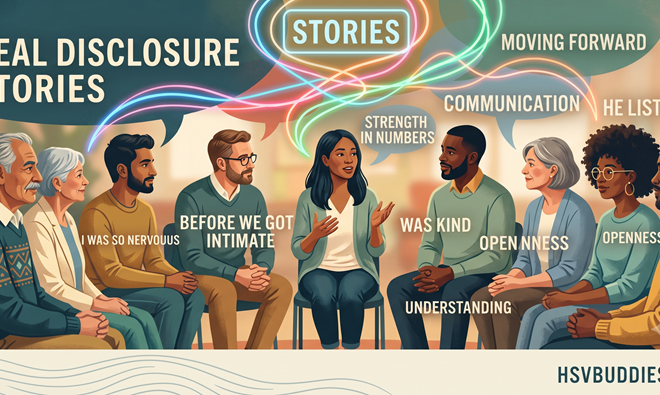
Community Voices: Real Experiences From People Living With HSV
Across online support forums, herpes communities, and discussion groups, many people share similar emotional journeys.
One member wrote:
“I thought my life was over after diagnosis. Six months later, I met someone who accepted me completely.”
Another shared:
“The loneliness was worse than the outbreaks. Once I opened up to others with herpes, everything changed.”
A common theme appears repeatedly in these discussions: isolation decreases when honesty begins.
Support communities remind people that they are not broken. They are simply human.
Life After Diagnosis Can Still Be Beautiful
Many people eventually reach a point where herpes becomes only a small part of their life.
That does not happen overnight. Emotional healing takes time. But it does happen.
The beginning may feel overwhelming, especially if you are newly diagnosed. Yet over time, confidence can return. Relationships can return. Happiness can return.
There is still laughter ahead.
> Still romance ahead.
> Still a connection ahead.
> Still a future ahead.
The idea that herpes destroys lives is simply not true.
What often destroys peace is shame and silence.
FAQ
Is loneliness common after a herpes diagnosis?
Yes. Many people experience emotional isolation, anxiety, or depression after diagnosis. The stigma surrounding herpes often creates emotional stress that feels overwhelming initially.
Can people with herpes still date normally?
Absolutely. Many individuals successfully navigate dating with herpes and maintain healthy long-term relationships through honesty, communication, and proper precautions.
Does herpes affect mental health?
For some people, yes. The emotional impact of herpes can include anxiety, shame, fear of rejection, and low self-esteem. Emotional support and education can help significantly.
How can I stop feeling ashamed about herpes?
Learning the facts, joining support communities, and speaking openly with trusted people can reduce shame over time. Remember that herpes is extremely common and manageable.
Are herpes support groups helpful?
Many people find emotional relief through online or local HSV support communities. Talking with others who understand your experience can reduce feelings of isolation.
Does life get better after herpes diagnosis?
Yes. Most people gradually adjust emotionally and continue building relationships, careers, friendships, and fulfilling lives after diagnosis.
Final Thoughts
Herpes and loneliness are often connected because stigma encourages silence, not because connection is impossible.
A diagnosis does not erase your ability to build friendships, intimacy, emotional safety, or meaningful relationships.
The emotional truth is this: loneliness after HSV is understandable, but it is not permanent.
Support, accurate information, compassionate communities, and honest conversations can make a meaningful difference.
You are still the same person you were before diagnosis, and meaningful connection remains entirely possible.