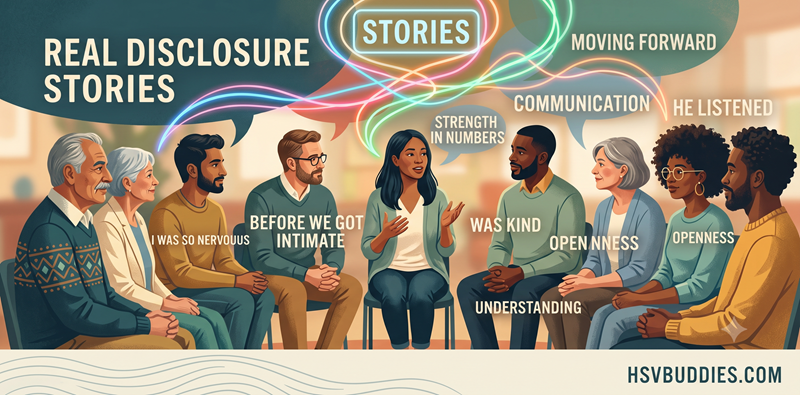
Telling someone you are dating that you have herpes can feel like one of the hardest conversations to have. Many people worry that the other person will immediately lose interest, become uncomfortable, or walk away. Yet disclosure does not always lead to rejection.
Many dating experiences show that honest conversations can lead to questions, understanding, and stronger communication. These stories illustrate how Herpes Disclosure can become a moment of honesty rather than an ending.
Why Herpes Disclosure Can Feel So Scary
A herpes diagnosis can affect how someone feels about dating. Fear of judgment and rejection may make a person hesitate before becoming emotionally or physically close to someone. The worry often comes from uncertainty: “What will they think of me when they know?”
The reality is that everyone responds differently. Some people already understand herpes, while others may know very little about it. A partner may need time to process the information or ask questions before deciding how they feel.
Disclosure Is About Honesty
Disclosure gives both people important information before becoming sexually intimate. It allows partners to discuss transmission, protection, outbreaks, testing, and personal boundaries.
Rather than treating disclosure as something shameful, it can be viewed as part of honest communication. Talking about herpes may feel uncomfortable at first, but an open conversation can remove uncertainty and create space for mutual understanding.
Real Stories of Herpes Disclosure
The following examples are representative stories based on common disclosure experiences. They are not presented as identifiable personal accounts.
“I Thought He Would Leave”
One woman had been dating someone she genuinely liked. She worried that telling him about her genital herpes would immediately end their connection. After several conversations about becoming more intimate, she decided it was important to be honest.
She explained her diagnosis calmly and allowed him to ask questions. Instead of leaving, he asked how herpes affected her, how transmission could happen, and what precautions they could consider.
The conversation did not make every concern disappear, but it changed her expectations. She had been preparing for rejection and discovered that her partner was willing to listen and learn.
“She Needed Time”
Another person disclosed herpes to someone he had recently started dating. His partner did not immediately respond with an answer. She said she needed time to understand the information.
At first, he worried that her hesitation meant rejection. Instead of pressuring her, he gave her space. Later, they talked again. She had researched herpes and returned with questions about transmission and safer sex.
Their experience shows that a quiet or uncertain reaction does not always mean someone has decided to leave. Herpes dating advice often emphasizes allowing both people enough time to process an important health conversation.
“We Talked About Boundaries”
Another couple had a direct conversation before becoming physically intimate. The person with herpes explained the diagnosis and discussed the precautions they were comfortable using.
The other partner appreciated the honesty. Together, they discussed boundaries and what they both needed to feel comfortable.
The diagnosis became one topic within a much larger relationship. They continued talking about work, hobbies, family, plans, and everyday life. Their experience demonstrates that herpes and relationships can involve much more than a health condition.
What These Stories Can Teach Us
There is no single formula for disclosure. Every relationship is different, and every person has different boundaries. However, several communication habits can make the conversation easier.
Choose a Private and Calm Moment
Disclosure is usually easier when neither person is rushed or surrounded by other people. A private conversation allows both partners to speak honestly and ask questions.
It is generally important to have this conversation before sexual contact. Waiting until after intimacy can create additional emotional and trust-related difficulties.
Keep the Conversation Clear
You do not need to provide every medical detail at once. Start with the essential information and allow the other person to ask questions.
You might explain whether you have oral or genital herpes, whether you experience outbreaks, and what precautions you normally consider. Reliable medical information can help correct common misconceptions.
Avoid Apologizing for Your Existence
Someone living with herpes does not need to present themselves as damaged or unworthy of love. Disclosure is about sharing relevant health information, not asking permission to be valued.
A calm approach can make Dating With Herpes feel less like a confession and more like an honest conversation between two adults.
When a Partner Needs Time
A partner may respond with surprise, confusion, or uncertainty. That reaction is understandable when someone has limited knowledge about herpes.
Give them room to think. They may want to learn more before making a decision about intimacy or continuing the relationship.
At the same time, their response should remain respectful. Both people deserve the ability to express their feelings and boundaries without insults, pressure, or shame.
Questions Can Be a Good Sign
Questions do not necessarily mean rejection. A partner asking about outbreaks, transmission, protection, or treatment may simply be trying to understand the situation.
Honest answers can create a foundation for better communication. When medical questions arise, a healthcare professional can provide accurate, individualized guidance.
What If They Say No?
Not every disclosure story has a positive ending. Some people may decide they are not comfortable with the possibility of herpes transmission. That choice can be painful, but people have different boundaries regarding sexual health.
Rejection after disclosure does not mean that the person who disclosed is undesirable or unworthy of a relationship. It means two people reached different conclusions about what they were comfortable with.
HSV disclosure is not about guaranteeing acceptance. It is about giving another person information so both individuals can make informed decisions.
Building Trust After Disclosure
If both people decide to continue dating, the conversation does not have to become the center of the relationship.
Partners can discuss safer-sex practices, communication during outbreaks, and personal boundaries. These conversations may evolve as the relationship develops.
Keep the Relationship Bigger Than the Diagnosis
Herpes is only one part of someone’s life. A relationship can still include humor, affection, shared interests, emotional support, goals, and ordinary daily experiences.
Dating after herpes disclosure can become easier when both partners understand that the diagnosis does not define the entire relationship.
Continue Communicating
Good communication should continue beyond the first disclosure. Partners can talk whenever circumstances change or new questions arise.
This creates an environment where both people can express concerns without fear of judgment. Herpes dating experiences can differ greatly, but respect and honesty remain useful foundations.
Frequently Asked Questions
What is the best time to disclose herpes?
Disclosure should take place before sexual contact. Choose a private moment when both people have enough time to talk without feeling rushed.
What should I say during disclosure?
Explain your diagnosis honestly, share the basic information you know, and allow your partner to ask questions. You can also discuss precautions and boundaries that are important to both of you.
What if my partner needs time?
Give them reasonable space to process the information. They may need to learn more before deciding how they feel. A delayed response is not automatically a rejection.
Can someone with herpes have a healthy relationship?
Yes. Having herpes does not prevent someone from dating or developing meaningful relationships. Partners can communicate about sexual health, boundaries, and precautions.
Does disclosure always lead to acceptance?
No. People have different levels of knowledge and different personal boundaries. Disclosure provides information; it cannot guarantee a particular response.
How can I feel more confident about disclosure?
Learning accurate information, choosing a calm setting, and practicing what you want to say can help. Remember that disclosure is an honest conversation, not an apology.
Final Thoughts
The stories behind “They Didn’t Run” show that fear and reality are not always the same. Some people may respond with questions, some may need time, and some may decide not to continue. Every response is different. For someone living with herpes, disclosure can feel vulnerable, but it can also create an opportunity for honesty and trust. Living With Herpes does not remove the possibility of affection, companionship, or meaningful relationships.
The most important goal is not to control another person’s reaction. It is to communicate honestly, respect boundaries, and give both people the information they need to make informed choices.