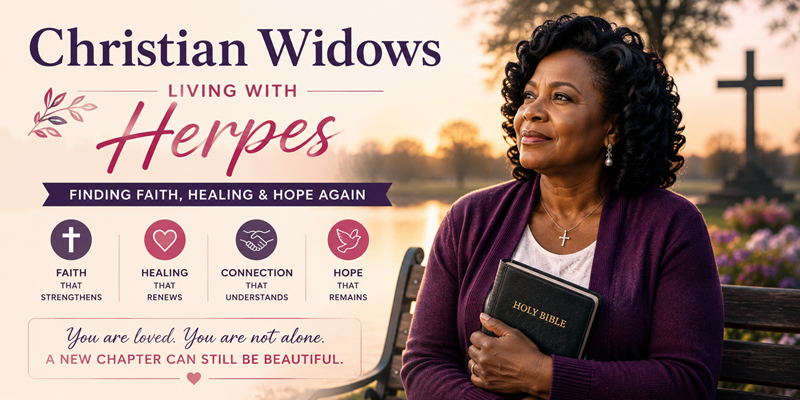
Christian Widows Living with Herpes: Finding Faith, Healing, and Hope Again
Last Updated July 2026
Losing a spouse is one of life’s most painful experiences. For many Christian widows, grief is accompanied by questions about the future, identity, and purpose. If you’re also living with herpes (HSV), you may feel as though you’re carrying an additional burden that makes the thought of dating or finding companionship even more difficult.
The truth is that your diagnosis does not define your worth. As a Christian widow living with herpes, you can still experience healing, meaningful relationships, and hope for the future. Through faith, supportive communities, and accurate health information, it is possible to move forward with confidence.
Understanding the Emotional Journey
Grief and an HSV diagnosis can both affect emotional well-being. Together, they may lead to feelings of loneliness, guilt, fear, or uncertainty about future relationships.
These emotions are normal. Healing takes time, and everyone moves at their own pace. Rather than rushing into another relationship, give yourself permission to process your loss while caring for your emotional, physical, and spiritual health.
Remember that herpes is a common viral infection and is not a reflection of your faith, character, or value as a person.
Your Faith Is Stronger Than the Stigma
Many Christian widows worry about being judged because of an HSV diagnosis. Unfortunately, stigma often comes from misunderstanding rather than truth.
Christian faith teaches compassion, forgiveness, and unconditional love. Your relationship with God is not determined by a medical condition. Instead of allowing shame to shape your identity, focus on the grace, hope, and strength found through faith.
Prayer, Bible study, church fellowship, and Christian counseling can provide comfort during difficult seasons.
Rebuilding Confidence After Loss
Confidence often fades after losing a spouse or receiving an HSV diagnosis. Rebuilding it takes patience.
You can strengthen your confidence by:
- Practicing daily gratitude
- Spending time with supportive family and friends
- Staying physically active
- Pursuing hobbies and personal goals
- Looking for professional counseling if needed
- Learning accurate information about HSV
As your confidence grows, you’ll begin to see yourself beyond your circumstances.
Dating Again as a Christian Widow with Herpes
Dating after losing a spouse is deeply personal. There is no timeline you must follow.
When you feel emotionally ready:
- Pray for wisdom and discernment.
- Be honest about your expectations.
- Build friendship before romance.
- Choose someone who respects your faith and values.
- Discuss HSV honestly before intimacy.
Healthy relationships are built on trust, communication, and mutual respect—not perfection.
When Should You Disclose Your HSV Status?
Disclosure is one of the biggest concerns for people living with herpes.
Most relationship experts recommend discussing your HSV status before becoming sexually intimate. Choose a private setting, remain calm, and provide factual information rather than apologizing for your diagnosis.
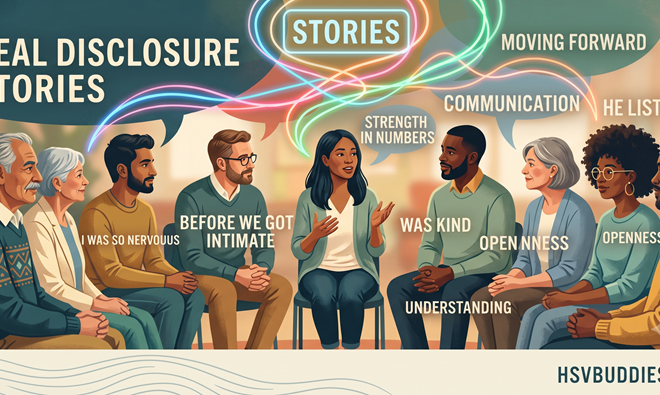
Many successful couples report that honesty strengthened their relationship from the very beginning. Community experiences consistently show that confidence and open communication often matter more than the diagnosis itself.
Finding Support Makes the Journey Easier
No one should face grief or herpes alone.
Support may come from:
- Christian grief support groups
- Trusted church leaders
- Licensed counselors
- HSV support communities
- Online forums for people living with herpes
Connecting with people who understand your experiences can reduce isolation and provide encouragement during difficult moments.
Taking Care of Your Physical and Emotional Health
Healing involves caring for your whole person.
Healthy habits include:
- Getting enough sleep
- Eating balanced meals
- Managing stress
- Following your healthcare provider’s treatment plan
- Exercising regularly
- Spending time in prayer and reflection
Stress management may also help reduce herpes outbreaks for some individuals, making self-care an important part of overall wellness.
You Are Still Worthy of Love
Many widows wonder whether anyone will accept them after an HSV diagnosis.
The answer is yes.
Millions of people living with herpes build healthy marriages, raise families, and enjoy fulfilling relationships. While dating may require honest conversations, it does not prevent lasting love.
Your future is not limited by your past.
Why HSV-Focused Dating Communities Help
Meeting someone who already understands herpes can reduce anxiety around disclosure.
Communities like HSVBuddies allow Christian widows and other HSV singles to connect with people looking for friendship, companionship, or long-term relationships in a supportive environment. Rather than worrying about explaining your diagnosis immediately, you can focus on discovering shared interests, values, and life goals.
Final Thoughts
Being a Christian widow living with herpes may feel overwhelming at times, but your story is far from over. Grief heals gradually, confidence returns, and meaningful relationships remain possible.
Your faith reminds you that hope is always stronger than fear, and your diagnosis does not diminish your dignity or your future. Continue caring for your spiritual life, surround yourself with supportive people, and believe that love can still find you when the time is right.
Frequently Asked Questions
Can Christian widows with herpes date again?
Yes. Many Christian widows choose to date again after they have had time to grieve and heal. Honest communication, shared faith, and mutual respect create strong foundations for healthy relationships.
Does herpes affect my worth as a Christian?
No. Herpes is a medical condition, not a measure of your faith or character. Your value comes from who you are, not from a diagnosis.
When should I tell someone I have herpes?
Most healthcare professionals recommend disclosing your HSV status before sexual intimacy, once trust has been established.
Can I have a happy marriage after herpes?
Absolutely. Many people living with HSV enjoy successful marriages, healthy families, and lifelong relationships.