Living with herpes can feel confusing, isolating, and even overwhelming at first, but the reality is far more reassuring than most people expect. Herpes is incredibly common, medically manageable, and does not prevent you from building meaningful relationships, enjoying intimacy, or living a full life.
This comprehensive guide covers real herpes facts, clears up widespread myths, and provides practical advice on dating, emotional well-being, and everyday management. Whether you’ve just been diagnosed or you’re looking to better understand your situation, this article will help you move forward with clarity and confidence.
What Is Herpes? A Clear and Simple Explanation
Herpes is a viral infection caused by the herpes simplex virus (HSV). There are two primary types:
- HSV-1 (Oral Herpes): Commonly causes cold sores around the mouth
- HSV-2 (Genital Herpes): Typically affects the genital area
However, both types can appear in either location depending on how transmission occurs.
Key Medical Facts:
- Herpes is a lifelong virus, but symptoms can be controlled
- Many people experience mild or no symptoms at all
- The virus can remain dormant in the body for long periods
Most importantly: herpes is a manageable skin condition, not a reflection of your character or lifestyle.
How Common Is Herpes?
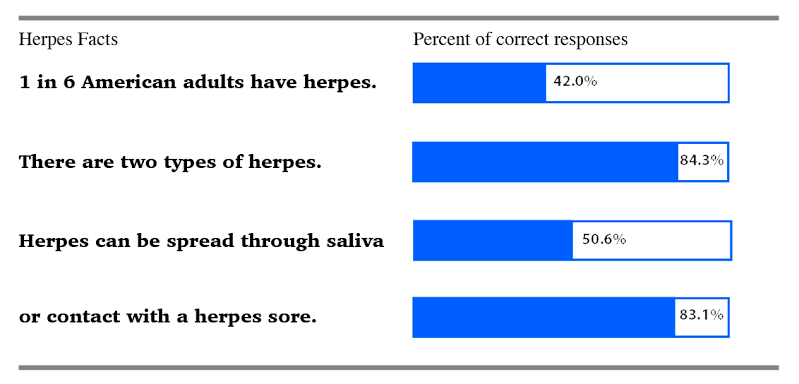
Herpes is far more widespread than most people realize.
Global Reality:
- Hundreds of millions of people worldwide live with HSV
- A large percentage of adults carry HSV-1
- Many individuals never receive a diagnosis because symptoms can be subtle
What This Means for You:
- You are not alone
- Many people you meet may also have herpes without knowing it
- The stigma is often based on misunderstanding—not reality
20 Important Herpes Facts You Should Know
1. Herpes Is Extremely Common
It affects people across all age groups, backgrounds, and lifestyles.
2. Many People Never Show Symptoms
You can carry the virus without visible outbreaks.
3. It’s Not Dangerous for Most People
Herpes is not life-threatening in healthy individuals.
4. Outbreaks Become Less Frequent Over Time
Your immune system gradually adapts, reducing severity.
5. You Can Date and Build Relationships
Herpes does not prevent connection, intimacy, or long-term love.
6. Honest Communication Builds Trust
Being open creates stronger emotional bonds.
7. Protection Significantly Reduces Risk
Simple precautions lower transmission chances.
8. Antiviral Medication Helps
Doctors may prescribe medication to reduce outbreaks and risk.
9. Herpes Does Not Affect Fertility
You can still have children and a healthy family life.
10. Stress Is a Major Trigger
Emotional and physical stress can lead to outbreaks.
11. Lifestyle Choices Matter
Sleep, diet, and overall health play a role in managing symptoms.
12. Stigma Is the Hardest Part
The emotional burden is often greater than the physical symptoms.
13. You Are Still Attractive
A diagnosis does not change your value or desirability.
14. Many People Are Understanding
When approached honestly, people often respond with empathy.
15. Herpes Can Be Managed Discreetly
Most people live normal lives without others knowing.
16. Education Reduces Fear
Understanding the virus helps you feel in control.
17. You Can Have a Healthy Sex Life
With precautions, intimacy remains safe and fulfilling.
18. Not All Outbreaks Are Severe
Many are mild and manageable.
19. Support Networks Exist
Communities and platforms provide emotional and social support.
20. Your Life Doesn’t Change as Much as You Think
With time, herpes becomes just a small part of your life not the center of it.
Common Myths About Herpes (And the Truth Behind Them)
Myth 1: “Only certain people get herpes”
Truth: Anyone who is sexually active can get herpes, even from a single partner.
Myth 2: “Herpes ruins your love life”
Truth: Many people with herpes have happy, long-term relationships.
Myth 3: “You can always see herpes”
Truth: Most people have no visible symptoms.
Myth 4: “Herpes is rare”
Truth: It is one of the most common viral infections worldwide.
Myth 5: “You can’t be intimate again”
Truth: With awareness and precautions, intimacy remains part of life.
Dating With Herpes: A Practical Guide
Dating may feel challenging at first, but many people successfully navigate it with confidence and honesty.
1. Build Self-Confidence First
Confidence starts with acceptance. When you feel comfortable with yourself, others will too.
2. Choose the Right Time to Share
You don’t need to disclose immediately, but it’s important before physical intimacy.
3. Keep the Conversation Calm and Clear
Avoid over-explaining. A simple, honest approach works best.
Example:
“I want to share something important. I have herpes. It’s common and manageable, and I take steps to reduce any risk.”
4. Be Prepared for Different Reactions
Some people may need time to understand. Others will respond positively right away.
5. Focus on Mutual Respect
The right partner will value honesty and communication.
6. Explore Supportive Dating Spaces
Platforms designed for people with herpes can make meeting others easier and less stressful.
Emotional Well-Being: Coping With a Diagnosis
A herpes diagnosis can bring emotional challenges, including:
- Anxiety
- Shame
- Fear of rejection
- Isolation
These feelings are valid—but they are temporary.
Healthy Ways to Cope:
1. Learn About the Condition
Knowledge reduces fear and replaces uncertainty with understanding.
2. Reframe Your Thoughts
Herpes is a manageable condition—not a limitation on your future.
3. Talk Openly
Sharing your feelings with someone you trust can be incredibly relieving.
4. Join a Supportive Community
Connecting with others helps normalize your experience.
5. Practice Self-Compassion
Treat yourself with the same kindness you would offer a friend.
How to Reduce Transmission Risk
While herpes cannot be cured, you can significantly reduce the chance of passing it on.
Effective Steps:
- Use condoms or dental dams
- Avoid intimacy during outbreaks
- Consider antiviral medication
- Communicate openly with your partner
These measures are highly effective when used consistently.
Lifestyle Tips for Managing Herpes
1. Prioritize Sleep
A well-rested body handles the virus more effectively.
2. Maintain a Balanced Diet
Nutrient-rich foods support immune function.
3. Exercise Regularly
Physical activity improves both mental and physical health.
4. Reduce Stress
Meditation, breathing exercises, and relaxation techniques can help.
5. Track Personal Triggers
Identifying patterns helps prevent future outbreaks.
Building Strong Relationships With Honesty
Honesty is often feared, but it’s one of the strongest foundations for a lasting relationship.
Why It Matters:
- Builds trust early
- Encourages open communication
- Strengthens emotional connection
- Filters out people who aren’t right for you
The right person will appreciate your openness and respect your honesty.
FAQs About Herpes
Can I still date if I have herpes?
Yes. Many people with herpes have active dating lives and meaningful relationships.
Is herpes very common?
Yes. It affects a large portion of the global population.
Will I always have outbreaks?
Outbreak frequency often decreases over time.
Can I have a normal relationship?
Absolutely. Herpes does not prevent long-term love or commitment.
Is it safe to be intimate?
Yes, with precautions and communication.
Will people reject me?
Some might, but many will respond with understanding and respect.
Can I live a normal life?
Yes. Herpes does not limit your ability to live fully.
Final Thoughts: Moving Forward With Confidence
Herpes is a manageable condition not a life-defining one. The biggest challenge is often the stigma, not the virus itself.
When you focus on facts instead of fear, you begin to see the truth:
- You are not alone
- You are still desirable
- You are still worthy of love
- You can build meaningful relationships
With time, knowledge, and confidence, herpes becomes just a small part of your story—not the whole story.
Take the Next Step
You deserve connection, understanding, and real relationships.
Join HSVBuddies today and meet like-minded singles who understand your journey.