Last updated July 2026
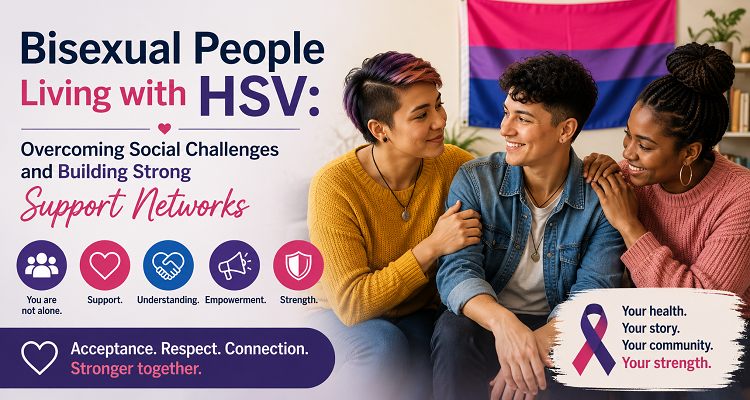
Living with herpes (HSV) can be emotionally challenging, especially when navigating dating, friendships, and self-confidence. For bisexual individuals, these challenges may feel even more complex. They may encounter misconceptions about both their sexual orientation and their HSV status, creating a unique set of social and emotional experiences.
The good news is that no one has to face these challenges alone. By building supportive relationships, accessing reliable information, and connecting with understanding communities, bisexual people living with HSV can enjoy fulfilling friendships, healthy relationships, and a positive outlook on life.
Understanding HSV Beyond the Stigma
Herpes simplex virus (HSV) is one of the most common viral infections worldwide. HSV-1 and HSV-2 affect millions of people, and many individuals never experience noticeable symptoms.
Despite how common herpes is, social stigma often creates more distress than the condition itself. Misunderstandings about transmission, relationships, and intimacy can cause unnecessary fear and isolation.
For bisexual individuals, existing stereotypes about bisexuality may combine with HSV-related stigma, making openness feel more difficult.
Education is one of the most effective ways to replace fear with understanding.
Unique Social Challenges for Bisexual People with HSV
Every person’s experience is different, but bisexual individuals may encounter several common challenges.
Fear of Double Stigma
Some people worry they will be judged because they are bisexual, while others fear rejection after disclosing their HSV status. Managing two separate stigmas can increase anxiety when meeting new people.
Remember that your sexual orientation and your health status are only parts of your identity. They do not define your character, values, or ability to build meaningful relationships.
Misconceptions About Bisexuality
Unfortunately, myths about bisexuality still exist. Some people incorrectly assume bisexual individuals are unable to commit or have multiple partners. These stereotypes are inaccurate and unfair.
Healthy relationships are built on honesty, communication, and shared values—not assumptions about someone’s orientation.
Anxiety Around Disclosure
Disclosing an HSV diagnosis can feel intimidating regardless of sexual orientation. Many people wonder when to have the conversation or how a partner might respond.
Choosing a calm, private moment before becoming sexually intimate allows both people to have an open and respectful discussion.
Honesty often strengthens trust rather than weakening it.
Why Social Support Matters
Support plays a major role in emotional well-being.
People who have trusted friends, supportive family members, understanding partners, or peer communities often feel less isolated after an HSV diagnosis.
Support can provide:
- Emotional reassurance
- Practical dating advice
- Reliable health information
- Greater self-confidence
- Reduced feelings of loneliness
Even one supportive relationship can make a significant difference.
Finding Inclusive Communities
Feeling accepted is important for everyone.
Inclusive online and offline communities allow bisexual individuals living with HSV to connect with people who understand similar experiences without fear of judgment.
These communities encourage conversations about:
- Dating experiences
- Disclosure strategies
- Mental well-being
- Relationship advice
- Self-confidence
- Sexual health education
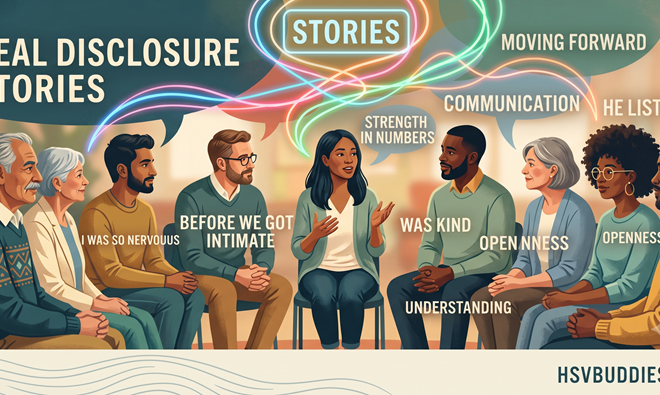
Sharing experiences with others often reminds people they are not alone.
Dating with Confidence
Dating after an HSV diagnosis may seem overwhelming at first, but confidence grows with experience and knowledge.
Focus on building genuine connections instead of worrying about immediate acceptance.
When the relationship begins to move toward intimacy, discuss your HSV status honestly and respectfully.
You don’t need to memorize a perfect script. Explain your diagnosis, share medically accurate information, and allow your partner to ask questions.
Many people respond positively to honesty and appreciate the opportunity to make informed decisions together.
Communicating with Partners
Open communication is essential in every healthy relationship.
Talk about expectations, boundaries, safer sex practices, and emotional concerns.
If your partner has questions about HSV, encourage them to use reliable medical resources instead of relying on misinformation found online.
Conversations based on facts help reduce fear and strengthen trust.
Caring for Your Mental Health
Managing emotional well-being is just as important as managing physical health.
If feelings of anxiety, shame, or depression become overwhelming, consider speaking with a mental health professional or joining a peer support group.
Helpful self-care practices include:
- Regular exercise
- Quality sleep
- Stress management
- Mindfulness or meditation
- Spending time with supportive people
- Limiting exposure to misinformation on social media
Confidence grows when you recognize your worth beyond a medical diagnosis.
Practical Tips for Building a Strong Support System
Creating a reliable support network doesn’t happen overnight, but small steps make a difference.
Choose trusted friends who respect your privacy.
Connect with inclusive online communities that encourage respectful discussion.
Learn about HSV from reputable medical organizations rather than rumors.
Set healthy boundaries with people who are dismissive or judgmental.
Celebrate positive relationships that encourage openness, respect, and personal growth.
Myths and Facts
Myth: People with HSV cannot have healthy relationships.
Fact: Millions of people living with HSV have loving, long-term relationships built on communication and trust.
Myth: Being bisexual makes dating with HSV impossible.
Fact: Sexual orientation does not determine someone’s ability to build healthy relationships. Honesty and compatibility matter far more.
Myth: Everyone will reject someone with HSV.
Fact: Many people respond with empathy when they receive accurate information and have an honest conversation.
Frequently Asked Questions
Is it harder for bisexual people with HSV to date?
Experiences vary, but some people face additional social stigma. Supportive communities and open communication can make dating much easier.
When should I disclose my HSV status?
Most experts recommend disclosing before sexual intimacy, after trust has begun to develop.
Can I have a long-term relationship if I have HSV?
Yes. Many couples successfully manage HSV through communication, safer sex practices, and medical guidance.
Where can I meet understanding people?
Support groups, inclusive online communities, and dedicated dating platforms for people living with HSV can provide welcoming spaces to connect.
Final Thoughts
Living with HSV does not prevent bisexual individuals from building meaningful friendships, healthy relationships, or a fulfilling life. While social stigma can create challenges, education, confidence, and supportive communities make those challenges easier to overcome.
Your diagnosis is only one part of your story. By surrounding yourself with understanding people, communicating openly, and prioritizing your emotional well-being, you can build relationships founded on trust, respect, and authenticity.
If you’re looking for an inclusive community where people understand life with HSV, HSVBuddies offers a supportive environment to meet others, share experiences, and develop meaningful connections with confidence.