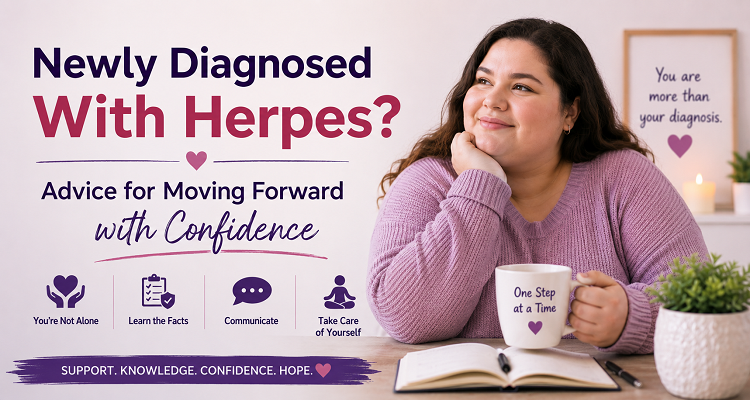
Receiving a herpes diagnosis can feel overwhelming. Many people experience shock, fear, confusion, or worry about what the future might hold. If you’ve recently learned that you have herpes, it’s important to know that you’re not alone. Millions of people around the world live healthy, fulfilling lives while managing HSV (herpes simplex virus).
While your emotions may be intense right now, a herpes diagnosis does not define your worth, your future relationships, or your ability to enjoy life. With accurate information, proper care, and support, you can move forward with confidence.
Take Time to Process Your Emotions
It’s normal to experience a wide range of emotions after a diagnosis. Some people feel embarrassed, anxious, angry, or afraid of being judged. Research shows that many newly diagnosed individuals initially struggle with concerns about disclosure, relationships, and social stigma, but these feelings often improve with education and support.
Permit yourself to process the news. Avoid making assumptions about your future based on myths or misinformation. Herpes is a common viral infection, and many people discover that their fears are far greater than the reality of living with HSV.
Learn the Facts About Herpes
One of the best things you can do after diagnosis is educate yourself.
Herpes is caused by the herpes simplex virus, commonly HSV-1 or HSV-2. Many people with herpes have mild symptoms or no symptoms at all. Even though herpes remains in the body for life, outbreaks often become less frequent and less severe over time.
Understanding how herpes works can help reduce unnecessary anxiety and empower you to make informed decisions about your health and relationships.
Speak With Your Healthcare Provider
If you’ve recently been diagnosed, schedule a conversation with your healthcare provider about treatment options.
Antiviral medications such as acyclovir, valacyclovir, and famciclovir can help manage symptoms, shorten outbreaks, and reduce the risk of transmission. For people experiencing their first outbreak, treatment is often recommended.
Ask questions about:
- Managing outbreaks
- Recognizing symptoms
- Suppressive therapy options
- Reducing transmission risks
- Sexual health and future relationships
The more informed you are, the more confident you’ll feel.
Remember That Herpes Does Not Define You
Many newly diagnosed people worry that they will never find love again. This is one of the most common misconceptions about living with HSV.
The reality is that countless people with herpes are married, dating, and building meaningful relationships. A diagnosis doesn’t change your personality, values, goals, or ability to connect with others.
You are still the same person you were before receiving your test results.
Learn How to Reduce Transmission
Understanding transmission can help you protect partners and feel more confident in your relationships.
Healthcare organisations recommend discussing herpes openly with partners and taking practical precautions, such as avoiding sexual contact during outbreaks and considering antiviral treatment when appropriate. Consistent protective measures can further reduce risk.
Being informed allows you to make responsible choices without living in constant fear.
Practice Honest Communication
Many people fear the conversation about herpes disclosure more than the condition itself.
While discussing HSV can feel intimidating, honesty builds trust. In many cases, partners appreciate openness and maturity. The right person will value your honesty and see you as much more than a diagnosis.
Preparing what you want to say in advance can make these conversations easier and less stressful.
Connect With Supportive Communities
Isolation can make a new diagnosis feel worse than it actually is. Connecting with others who understand your experience can provide reassurance and practical advice.
Support communities allow members to:
- Share experiences
- Discuss dating challenges
- Learn coping strategies
- Build friendships
- Gain confidence
Knowing you’re not alone can make a significant difference during the adjustment period.
Focus on Your Overall Health
Taking care of your physical and emotional well-being can help you manage herpes more effectively.
Healthy habits include:
- Getting enough sleep
- Managing stress
- Eating a balanced diet
- Exercising regularly
- Following medical advice
Some people find that stress management plays an important role in reducing outbreak frequency and improving overall quality of life.
Look Ahead With Confidence
A herpes diagnosis may feel life-changing today, but it does not have to limit your future. Most people eventually discover that herpes becomes a small part of their lives rather than the defining feature they initially feared.
With accurate information, proper treatment, supportive relationships, and self-compassion, you can continue pursuing love, happiness, and personal goals.
Remember: herpes is something you have—not who you are.
FAQs
Is life over after a herpes diagnosis?
No. Most people with HSV continue to enjoy healthy relationships, careers, and fulfilling lives.
Can I still date if I have herpes?
Yes. Many people with herpes successfully date, find partners, and build long-term relationships.
Is there a herpes cure?
There is no cure, but antiviral medications can help manage symptoms and reduce outbreaks.
Will outbreaks happen often?
Not necessarily. Many people experience fewer and milder outbreaks over time.
Should I tell my partner I have herpes?
Yes. Honest communication helps build trust and allows partners to make informed decisions.
Can I reduce the risk of transmission?
Yes. Avoid intimacy during outbreaks and discuss preventive options with your healthcare provider.
Can stress trigger herpes outbreaks?
Yes. Stress may contribute to outbreaks in some people, making self-care important.
Can people with herpes have children?
Yes. Most people with HSV can have healthy pregnancies and healthy babies with proper medical guidance
Final Thoughts
If you’ve been newly diagnosed with herpes, take a deep breath. Give yourself time to learn, heal, and adjust. The first few weeks may be challenging, but countless people have successfully navigated this journey before you.
You deserve support, understanding, and meaningful relationships. A herpes diagnosis is not the end of your story—it’s simply the beginning of a new chapter filled with knowledge, growth, and resilience.