Living With Herpes can feel overwhelming, especially when you’re navigating dating and relationships. For many women in the LGBTQ+ community, one of the biggest challenges isn’t the virus itself; it’s the misinformation surrounding it. The most common misconception is that lesbians are not at risk of herpes or that herpes has little impact on same-sex relationships. Neither of these beliefs is true.
Understanding the facts is the first step toward building healthier relationships, reducing stigma, and improving emotional well-being. Whether you’re newly diagnosed or have been living with HSV for years, knowledge and honest communication can help you move forward with confidence.
Why This Misconception Still Exists
Many people incorrectly assume that sexually transmitted infections mainly affect heterosexual relationships. Unfortunately, this belief leaves many women without the education and support they deserve.
Healthcare organizations have consistently emphasized that herpes can be transmitted through skin-to-skin contact, including oral-genital contact, genital-to-genital contact, and sharing certain intimate items. Because of this, lesbians are not immune to HSV.
The misconception often leads to delayed testing, unnecessary fear, and feelings of isolation after diagnosis. In reality, millions of people worldwide live normal, fulfilling lives while managing herpes.
Understanding Herpes Stigma Facts is one of the most effective ways to replace fear with confidence.
Separating Myth From Reality
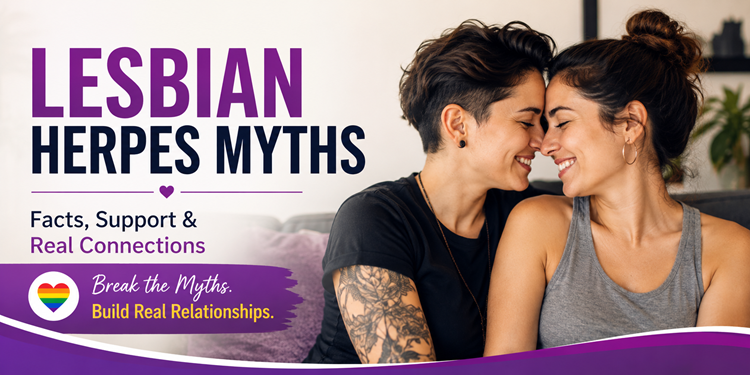
When discussing Lesbian Herpes Myths, several false beliefs appear repeatedly across online forums and social media.
One myth is that women who only date women cannot contract herpes. Medical evidence clearly shows HSV spreads through direct skin-to-skin contact, regardless of sexual orientation.
Another myth suggests herpes automatically ruins relationships. In reality, thousands of couples successfully navigate HSV with open communication, education, and mutual respect.
Some people also believe that herpes defines someone’s character. The truth is simple: herpes is a common viral infection, not a reflection of someone’s values, hygiene, or lifestyle.
Learning accurate Herpes Stigma Facts helps reduce unnecessary anxiety and encourages healthier conversations about sexual health.
Understanding HSV in Lesbian Relationships
Every relationship is unique, and Lesbian HSV Dating involves many of the same qualities that make any relationship successful: trust, honesty, respect, and communication.
Partners often discuss:
- Sexual health history.
- Testing routines.
- Outbreak management.
- Emotional support.
- Comfort levels with intimacy.
These conversations may seem intimidating initially, but many couples report that discussing health openly actually strengthens their relationship.
Healthy communication builds trust far beyond herpes itself.
The Emotional Side of Diagnosis
Receiving an HSV diagnosis can trigger fear, embarrassment, or sadness. These emotions are completely understandable.
Many women worry they will never date again or that future partners will reject them.
However, research and community experiences consistently show that these fears are often much greater than reality.
Many HSV Positive Women discover that the people who truly value them appreciate honesty more than perfection.
Confidence usually returns with education, support, and positive dating experiences.
Building Healthy and Positive Relationships
One diagnosis should never define your future.
Many Positive Lesbian Relationships thrive because partners prioritize understanding instead of judgment.
Healthy relationships focus on:
Respect.
Mutual consent.
Clear communication.
Emotional intimacy.
Shared goals.
Support during outbreaks.
When both partners are informed about HSV, anxiety often decreases dramatically.
Successful couples recognize that herpes is simply one aspect of health—not the foundation of the relationship.
How Disclosure Becomes Easier
Disclosure is one of the biggest fears for people living with HSV.
Fortunately, many women discover that honesty creates stronger emotional connections.
Helpful Herpes Disclosure Tips include choosing a calm private setting, discussing the topic before sexual activity, remaining confident instead of apologetic, sharing medically accurate information, and allowing your partner time to ask questions.
Remember that disclosure is not a confession.
It is an honest health conversation between adults who care about each other’s well-being.
Confidence often influences how the conversation unfolds.
Growing Confidence While Dating
Many women avoid dating after diagnosis because they expect rejection.
Ironically, confidence is often far more attractive than perfection.
Developing HSV Dating Confidence starts with accepting that herpes is only one small part of who you are.
Focus on your personality.
Most meaningful relationships grow because of emotional compatibility—not because someone has perfect health.
Your Lesbian Love Journey Doesn’t End Here
Every person’s Lesbian Love Journey is different.
Some women meet supportive partners shortly after diagnosis.
Others take time to rebuild confidence before dating again.
Both paths are completely valid.
Many long-term couples say herpes eventually became one of the least important parts of their relationship.
Love grows through emotional connection, communication, and shared experiences—not through medical perfection.
Finding Community Makes a Difference
One of the most powerful ways to reduce isolation is connecting with others who understand your experience.
Reliable organizations such as the American Sexual Health Association (ASHA), the Centers for Disease Control and Prevention (CDC), Planned Parenthood, local LGBTQ+ health centers, and sexual health clinics provide trusted educational resources.
Many LGBTQ+ community groups also offer peer support where women can discuss dating experiences, disclosure conversations, emotional recovery, and relationship advice without fear of judgment.
A strong Lesbian Herpes Support network reminds people they are never facing HSV alone.
Community Voices
Across LGBTQ+ support communities, many women describe similar experiences after diagnosis.
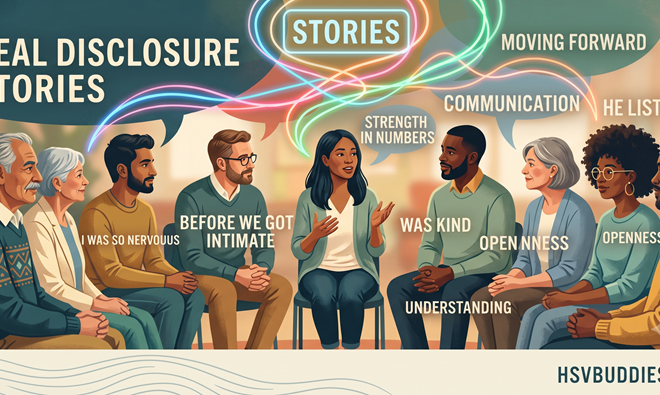
Several members shared that the anticipation of disclosure was often more stressful than the actual conversation. Others reported that supportive partners responded with empathy after learning accurate information about HSV transmission and management.
Community discussions frequently emphasize that confidence, honesty, and education help reduce fear while encouraging stronger relationships.
Although every experience is different, the overall message remains encouraging: herpes does not prevent meaningful love or lasting commitment.
Real Stories from the Community
“A***, 31″**
“I thought nobody would want to date me after my diagnosis. I was wrong. When I explained the facts honestly, my partner appreciated my openness more than anything else.”
“S***, 27″**
“My biggest obstacle wasn’t herpes—it was believing the myths. Once I learned the facts and joined a support community, I felt hopeful again.”
“L**, 39″**
“I’ve been in a loving relationship for years. HSV became just another health conversation rather than the center of our lives.”
Frequently Asked Questions
Can lesbians get herpes?
Yes. HSV can spread through skin-to-skin intimate contact regardless of sexual orientation.
Is dating impossible after an HSV diagnosis?
Not at all. Many women build successful Positive Lesbian Relationships after diagnosis through honesty, communication, and mutual respect.
Should I disclose herpes before intimacy?
Yes. Honest communication before sexual activity allows both partners to make informed decisions and builds trust.
Can healthy relationships last when one partner has HSV?
Absolutely. Many couples enjoy long-term, happy relationships while managing herpes responsibly.
Where can I find reliable information?
Trusted sources include the CDC, ASHA, Planned Parenthood, the World Health Organization, and qualified healthcare professionals.
How can I improve my confidence while dating?
Learning accurate information, joining Lesbian Herpes Support communities, practising open communication, and remembering that herpes does not define your worth all help strengthen HSV Dating Confidence.
Final Thoughts
The biggest misconception about lesbians and herpes is the belief that HSV somehow defines a person’s ability to love or be loved. It doesn’t. Facts consistently outweigh fear. Education replaces myths with understanding. Honest conversations create trust, while supportive communities remind women they are far from alone. Whether you’re beginning Lesbian HSV Dating, rebuilding confidence after diagnosis, or continuing your own Lesbian Love Journey, remember that meaningful relationships are built on respect, compassion, and communication—not on a medical condition.
By challenging Lesbian Herpes Myths, sharing Herpes Stigma Facts, practicing thoughtful Herpes Disclosure Tips, supporting HSV Positive Women, and embracing practical Lesbian Dating Advice, it becomes clear that herpes is only one chapter of life—not the entire story.