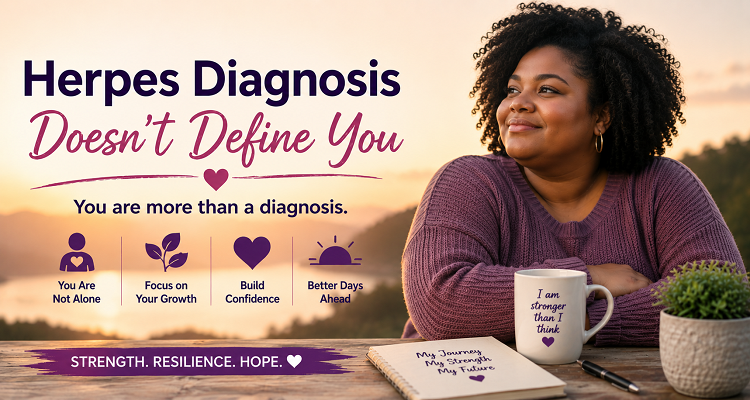
A herpes diagnosis often comes with a heavy emotional impact. Many people describe the moment as confusing, stressful, or even isolating. But the medical reality is much simpler than the emotional reaction it triggers. Herpes is a common viral condition that millions of people live with in completely normal, healthy ways. The real challenge is not the virus itself, but the meaning people attach to it.
That meaning is shaped by misinformation, stigma, and silence. This is why Herpes Stigma Awareness plays such an important role in recovery. When you separate facts from fear, the diagnosis starts to feel less like an identity shift and more like a manageable health detail.
Emotional Impact and the First Reaction
The first emotional response after diagnosis is often shock. People may feel regret, fear of judgment, or worry about relationships. These feelings are valid, but they are also temporary. What you are experiencing is not the condition defining you—it is your mind processing new information.
This stage is where HSV Emotional Healing begins, even if it doesn’t feel like healing at first. Emotional adjustment takes time because you are not just learning about a virus; you are also unlearning social stigma attached to it.
Over time, many people realize that the fear was louder than the reality.
You Are Still You Beyond the Diagnosis
One of the most important truths to hold onto is that your identity does not change. Your personality, values, goals, and ability to love or be loved remain exactly the same.
This is where Herpes Diagnosis Acceptance slowly develops. Acceptance does not mean approval or happiness about the diagnosis. It simply means reaching a point where you stop fighting reality and start focusing on living again.
When acceptance begins, something shifts internally. The diagnosis stops feeling like a label and starts feeling like a manageable health aspect of life.
Moving Toward Emotional Stability and Self-Understanding
As time passes, emotional intensity usually reduces. What replaces it is understanding. People begin to realize they are not alone, and that HSV is far more common than most conversations suggest.
This phase is closely tied to Herpes Mental Health Support, which becomes essential for long-term emotional balance. Support can come from friends, online communities, counsellors, or even educational platforms. The key factor is connection—hearing from others who have been through the same experience.
When people feel supported, shame begins to lose its power.
Rebuilding Confidence in Relationships
Dating often feels like the biggest concern after diagnosis. Many worry about rejection or how to talk about it. But over time, confidence rebuilds naturally through understanding and experience.
This is where Dating With Herpes Confidence develops. Confidence does not mean hiding your condition or overthinking disclosure. It comes from knowing your worth is not tied to a medical label.
Healthy relationships are built on honesty, communication, and emotional compatibility. Many people find that once they begin dating again, the right connections feel more genuine and secure than before.
Living Without Shame and Embracing Positivity
Life does not stop after a diagnosis. In fact, many people report becoming more self-aware and emotionally grounded afterwards. They begin to make choices based on clarity rather than fear.
This shift reflects Living With Herpes Positivity. It is not about ignoring challenges, but about refusing to let shame control your decisions. You still pursue relationships, careers, goals, and experiences—you simply do it with more awareness.
Over time, this mindset becomes part of a broader Herpes Positive Lifestyle, where health management and emotional well-being exist together without conflict.
Breaking Internal and External Stigma
Stigma is often more damaging than the condition itself. It creates unnecessary fear, silence, and emotional pressure. Many people internalise it without realizing it.
This is why Breaking Herpes Stigma is both a personal and social process. On a personal level, it means challenging negative thoughts about yourself. On a social level, it means normalizing conversations and correcting misinformation.
The more people speak openly, the weaker the stigma becomes. Silence is what allows it to grow.
Empowerment Through Understanding and Knowledge
Fear thrives in uncertainty. When people learn the facts about transmission, treatment, and management, anxiety usually decreases significantly.
This is the foundation of STD Diagnosis Empowerment. Empowerment does not come from pretending everything is perfect. It comes from understanding your condition well enough to manage it confidently.
Knowledge also helps in relationships. When you understand your health clearly, communication becomes easier, and decisions feel more grounded.
Self-Acceptance as a Long-Term Journey
Self-acceptance does not happen overnight. It is a gradual process shaped by experience, reflection, and emotional growth.
The Herpes Self-Acceptance Journey often includes ups and downs. Some days feel normal, while others bring back worry or doubt. That is completely natural. Acceptance is not linear.
What matters is direction, not speed. Over time, most people reach a place where herpes becomes a small part of their health rather than the center of their identity.
Community Support and Shared Experiences
One of the most powerful parts of healing is realizing you are not alone. Many people discover this through support communities where experiences are shared openly and without judgment.
Community feedback often reflects similar emotional patterns:
“I thought my life was over, but it slowly became just another part of my health I manage.” — Anonymous community member
“Talking to others who understood removed so much fear I had carried alone.” — Support group participant
“The hardest part was the stigma, not the condition itself. Once I understood that, things improved.” — Community contributor
These shared voices highlight an important truth: emotional recovery is possible, and it often happens faster when people connect.
Emotional Growth and Mental Well-being
Many people notice unexpected emotional growth after diagnosis. They become more empathetic, more mindful of relationships, and more confident in communication.
This growth is closely connected to Herpes Mental Health Support, which helps people process emotions more healthily. Mental well-being is not just about reducing stress—it is about rebuilding self-trust.
When emotional health improves, everything else—dating, relationships, self-image—also becomes easier to navigate.
Frequently Asked Questions
Does herpes change my identity?
No. It only affects your health, not who you are as a person.
Can I still have a normal love life?
Yes. Many people with HSV are in long-term, happy relationships.
Is rejection common after disclosure?
It can happen, just like in any dating situation. But many people respond with understanding and maturity.
Will I always feel this emotional stress?
No. Emotional intensity usually reduces over time as understanding and acceptance grow.
How long does acceptance take?
There is no fixed timeline. For some, it takes weeks, for others, longer. It depends on support, mindset, and experience.
Final Reflection
A Herpes Diagnosis may feel overwhelming at first, but it does not define your worth, your future, or your ability to build meaningful relationships.
With time, understanding, and support, people move from fear to clarity and from shame to confidence. The diagnosis becomes just one small part of life—not the story of it.
What truly defines you is how you grow, adapt, and continue moving forward.