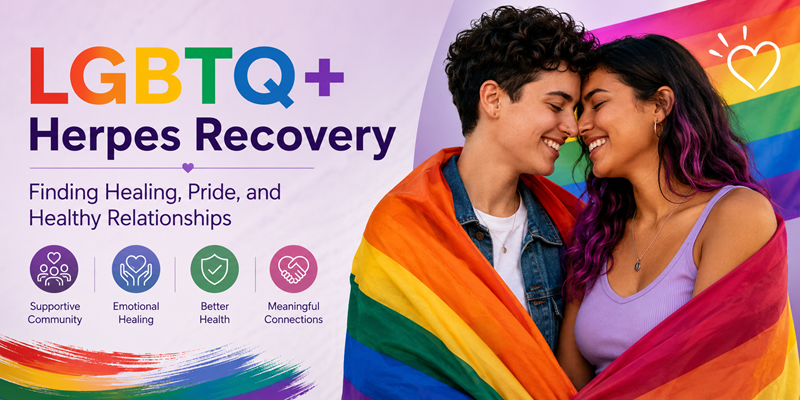
A herpes diagnosis can feel overwhelming at first, especially for people who are already navigating the unique experiences of LGBTQ+ Dating. Many individuals worry that their diagnosis will affect future relationships, self-confidence, or their ability to find genuine love. The reality is much more hopeful. Every day, thousands of LGBTQ+ people are building meaningful relationships, developing stronger self-esteem, and finding supportive communities that celebrate them for who they are.
The journey toward **LGBTQ Herpes Recovery is not simply about managing a health condition. It is about rediscovering confidence, embracing authenticity, and realizing that one diagnosis does not define your worth. Today, countless LGBTQ+ singles are proving that healthy, loving relationships are absolutely possible.
A Diagnosis Doesn’t Change Who You Are
Receiving a herpes diagnosis often triggers fear because of the stigma surrounding sexually transmitted infections rather than the condition itself. Many LGBTQ+ individuals already understand what it feels like to overcome stereotypes and misconceptions. That resilience becomes one of their greatest strengths during recovery.
Medical professionals consistently emphasize that herpes is extremely common, manageable, and does not prevent people from enjoying fulfilling romantic lives. Learning accurate information helps replace fear with confidence.
Understanding your health, following medical advice, communicating openly, and practicing safer intimacy allow many people to continue enjoying healthy relationships without letting herpes become the center of their identity.
The first step toward **Herpes Positive Confidence is recognizing that a medical diagnosis has never determined your value.
Building Self-Confidence Again
Confidence doesn’t return overnight. It grows through small victories, supportive conversations, and self-acceptance.
Many LGBTQ+ singles discover that after processing the initial emotions, they become more intentional about dating. They communicate more honestly, set healthier boundaries, and prioritize emotional compatibility over casual connections.
This creates opportunities for **Confident Queer Love, where honesty becomes the foundation instead of fear.
People often report that after learning to accept themselves, dating becomes less about hiding and more about finding someone who appreciates their authentic personality.
Confidence grows when you remember:
- You are more than your diagnosis.
- Your dreams for love still matter.
- Someone else’s misunderstanding does not reduce your worth.
- Authentic relationships begin with self-acceptance.
Honest Communication Creates Stronger Relationships
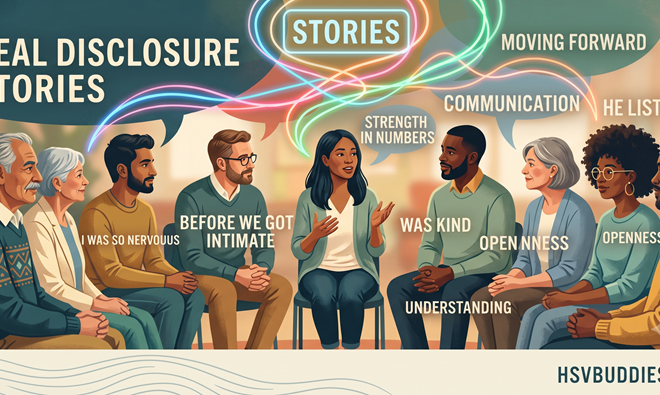
Many successful LGBTQ+ couples say that herpes disclosure became a surprisingly meaningful moment in their relationship.
Instead of ending connections, honest conversations often strengthened trust.
When both partners communicate respectfully, discuss prevention methods, and make informed decisions together, relationships become healthier emotionally and physically.
This openness contributes to **Thriving LGBTQ Relationships, where transparency replaces anxiety.
While disclosure may feel intimidating initially, many people find that supportive partners respond with curiosity, compassion, and respect rather than judgment.
Healthy communication creates space for genuine emotional intimacy that extends far beyond physical attraction.
Dating Is Still Full of Possibilities
One common misconception is that herpes eliminates future dating opportunities.
The opposite is often true.
Many LGBTQ+ singles intentionally look for partners who value honesty, emotional maturity, and long-term compatibility.
As a result, they often develop stronger relationships built on trust instead of superficial attraction.
Communities supporting **Positive LGBTQ Dating continue to grow through online platforms, local support groups, and inclusive dating spaces where understanding comes first.
Many individuals say they became more selective after diagnosis, leading them toward healthier relationships than they experienced before.
Finding an Inclusive Community Makes a Difference
Isolation is one of the biggest challenges after diagnosis.
Fortunately, numerous organizations and online communities provide safe spaces where LGBTQ+ individuals can connect without fear of judgment.
Being surrounded by people with similar experiences helps normalize conversations about herpes while reducing anxiety and shame.
An **Inclusive Herpes Community reminds people that they are never facing this journey alone.
Whether through educational webinars, peer discussions, LGBTQ+ health organizations, or positive dating communities, support plays an essential role in emotional recovery.
Feeling understood can transform someone’s entire outlook on dating and relationships.
Mental Wellness Matters Just as Much
Emotional healing deserves as much attention as physical health.
Many LGBTQ+ individuals experience temporary feelings of embarrassment, sadness, or uncertainty after diagnosis.
Mental wellness improves by:
- Learning accurate medical information.
- Speaking with healthcare professionals.
- Connecting with supportive communities.
- Practicing self-compassion.
- Building healthy routines.
Over time, these habits help people embrace **Empowered LGBTQ Singles lifestyles where confidence replaces fear.
Counseling, mindfulness, and peer support groups can also make a meaningful difference during the adjustment period.
Remember that healing includes both emotional and physical growth.
Love Becomes More Authentic
Many people unexpectedly describe their relationships after diagnosis as deeper and more genuine.
Without the pressure to appear “perfect,” conversations become more honest.
Partners discuss expectations, boundaries, future goals, and emotional needs much earlier in the relationship.
This creates **Authentic LGBTQ Romance built on trust instead of assumptions.
Real intimacy grows when people feel safe enough to be themselves.
Ironically, the diagnosis that once seemed like an obstacle often becomes the reason healthier communication develops.
Success Stories Are More Common Than You Think
Thousands of LGBTQ+ couples successfully navigate herpes every day.
Some meet through inclusive dating communities.
Others begin relationships without either partner initially having herpes.
What they share is education, communication, mutual respect, and informed decision-making.
Their stories demonstrate genuine **Herpes Dating Success because they focus on the quality of the relationship rather than allowing stigma to dictate their future.
Healthy partnerships are built through compassion—not perfection.
Growing Stronger Together
Relationships thrive when both partners prioritize emotional support.
Couples often learn more about sexual health together, attend medical appointments if needed, and openly discuss prevention strategies.
These shared experiences strengthen emotional bonds and encourage **Healthy Queer Connections that extend beyond romance.
Partners become teammates rather than individuals facing challenges alone.
The willingness to learn together often builds lasting trust.
Community Source
Many respected organizations provide reliable information and supportive resources for LGBTQ+ individuals living with herpes.
Helpful sources include:
- American Sexual Health Association (ASHA)
- Centers for Disease Control and Prevention (CDC)
- Planned Parenthood
- Local LGBTQ+ Community Centers
- LGBTQ+ health clinics and sexual wellness organizations
- Peer-led herpes support groups and moderated online communities
These organizations offer evidence-based education, emotional support resources, and guidance that help reduce stigma while encouraging informed healthcare decisions.
Frequently Asked Questions
Can LGBTQ+ people have healthy relationships after a herpes diagnosis?
Absolutely. Many individuals build loving, committed relationships through honesty, communication, and proper health management.
Does herpes prevent dating?
No. Millions of people with herpes continue dating successfully. Education and open communication help create healthy relationships.
How can I improve my confidence?
Focus on learning accurate information, connecting with supportive communities, prioritizing self-care, and remembering that your diagnosis does not define your identity.
Should I tell my partner?
Yes. Honest disclosure before sexual activity helps both partners make informed decisions and builds trust within the relationship.
Are there supportive LGBTQ+ communities?
Yes. Numerous LGBTQ+ organizations, sexual health clinics, online support groups, and inclusive dating communities provide education and emotional support.
Can long-term relationships succeed?
Absolutely. Many couples report that honest communication about herpes actually strengthened their relationship and improved emotional intimacy.
Final Thoughts
LGBTQ+ herpes recovery is about much more than managing symptoms. It’s about reclaiming your confidence, challenging stigma, building healthy relationships, and embracing every part of who you are.
Herpes is one chapter of your life—not your entire story. With knowledge, support, and self-compassion, recovery becomes not only possible but empowering.