Relationship Growth From Past Experiences for Stronger Relationships
last updated June 2026
Every relationship teaches something.
Some experiences bring joy, confidence, and emotional security. Others leave heartbreak, disappointment, or unanswered questions. While painful memories can feel heavy, they often become some of life’s most valuable teachers of relationships.
Relationship growth from past experiences is not about dwelling on mistakes. It is about recognizing patterns, building emotional awareness, and making healthier choices moving forward.
According to the American Psychological Association, emotional resilience and self-awareness can improve coping and interpersonal well-being. Research published in PubMed also suggests that communication, emotional regulation, and healthy relationship behaviours are strongly associated with relationship satisfaction.
Whether your past included heartbreak, trust issues, rejection, or difficult conversations, those experiences can help shape healthier, stronger future relationships.
Why Past Relationships Matter
No one enters a relationship without history.
Past experiences influence how people:
- Communicate
- Build trust
- Handle conflict
- Set boundaries
- Express vulnerability
- Recognize unhealthy patterns
For example:
A person who experienced emotional dishonesty may become more aware of red flags.
Someone who stayed too long in an unhealthy relationship may learn the importance of boundaries.
A difficult breakup may inspire stronger self-respect and clearer expectations.
Growth happens when experience becomes wisdom.
What Psychology Says About Relationship Growth
Relationship development often comes through emotional learning.
The National Institute of Mental Health emphasizes the importance of emotional awareness, coping skills, and healthy communication in emotional well-being.
Experts generally recognize several key areas of growth after difficult relationship experiences.
Increased Self-Awareness
Self-awareness helps people understand:
- Emotional triggers
- Communication habits
- Attachment tendencies
- Conflict responses
- Personal relationship needs
Knowing yourself better often leads to healthier partner choices.
Stronger Emotional Boundaries
Boundaries protect emotional well-being.
The Cleveland Clinic notes that healthy boundaries are an important part of maintaining respectful relationships and mental wellness.
Past experiences often teach:
- When to say no
- When to slow emotional investment
- When expectations are unrealistic
- When personal needs are being ignored
Better Communication Skills
Healthy relationships depend heavily on communication.
Studies in relationship psychology consistently show that couples with healthier communication patterns tend to report higher satisfaction and a stronger long-term connection.
Growth may include learning to:
- Express needs clearly
- Listen without defensiveness
- Discuss difficult emotions calmly
- Ask questions instead of assuming
- Address conflict earlier
Common Lessons Learned from Difficult Relationships
Painful experiences often reveal what matters most.
1. Trust Must Be Built, Not Assumed
Trust develops through consistency, honesty, and reliability.
If trust was broken in the past, future relationships may benefit from slower pacing and open conversations.
2. Chemistry alone is not compatible
Strong attraction does not automatically create a healthy partnership.
Compatibility often includes:
- Shared values
- Respect
- Emotional maturity
- Communication style alignment
- Similar relationship goals
3. Red Flags Should Not Be Ignored
Past regret often comes from dismissed warning signs.
Examples may include:
- Dishonesty
- Poor communication
- Emotional unavailability
- Boundary violations
- Manipulative behavior
Experience improves recognition.
4. Vulnerability Builds Connection
Emotional openness can feel risky after hurt.
Yet healthy vulnerability often strengthens intimacy when mutual trust exists.
Turning Heartbreak Into Growth
Heartbreak can be painful, but reflection can create resilience.
The Mayo Clinic highlights healthy coping strategies such as emotional reflection, social support, and stress management for emotional recovery.
Constructive questions include:
- What patterns repeated?
- What did I ignore?
- What needs went unspoken?
- What relationship values matter most now?
- What behaviors would I change next time?
Growth is not about blame.
It is about learning.
Relationship Growth in Health-Disclosure Dating
For people navigating health-related dating conversations, emotional growth can become even more meaningful.
Discussing personal health information, vulnerability, or stigma may strengthen communication skills, emotional confidence, and relationship honesty.
The Centers for Disease Control and Prevention (CDC) emphasizes the value of informed communication and sexual health awareness in healthy relationships.
Open conversations often foster:
- Greater trust
- Better mutual understanding
- More intentional dating decisions
- Reduced fear-based assumptions
Practical Ways to Build Stronger Future Relationships
Reflect Honestly
Identify recurring patterns without harsh self-judgment.
Ask:
- Do I avoid difficult conversations?
- Do I ignore my own boundaries?
- Do I confuse attention with compatibility?
- Do I rush emotional attachment?
Build Communication Skills
Practice:
- Direct emotional expression
- Calm conflict management
- Active listening
- Clarifying assumptions
Release Fear-Based Thinking
Not every new relationship will repeat old pain.
Protective caution is healthy.
Automatic distrust is often limiting.
Focus on Compatibility
Look beyond attraction.
Healthy relationships often require:
- Respect
- Reliability
- Emotional consistency
- Shared intentions
- Honest communication
Get Professional Guidance if Needed
A licensed therapist, counselor, or relationship coach may help process recurring emotional patterns.
Professional support can be especially helpful when past trauma significantly impacts trust or emotional safety.
Expert Perspective
Relationship professionals frequently emphasize that emotional resilience develops through reflection, communication, and adaptive coping—not perfection.
Growth does not require a flawless dating history.
It requires a willingness to learn.
Frequently Asked Questions
How do past relationships support personal growth?
Past relationships can improve self-awareness, emotional boundaries, communication habits, and understanding of healthy relationship expectations.
Can heartbreak lead to healthier future relationships?
Yes. Reflecting on heartbreak may help people identify unhealthy patterns, improve resilience, and make healthier emotional choices.
Why is self-awareness important in relationships?
Self-awareness helps people understand emotional triggers, communication behaviors, and personal needs, which can strengthen relationships.
How can difficult experiences improve communication?
Difficult relationships often highlight the value of honesty, active listening, emotional clarity, and respectful conflict resolution.
Can trust concerns from past relationships improve over time?
Yes. Trust can improve through emotional healing, healthy communication, positive experiences, and personal growth.
What are the signs of emotional growth after heartbreak?
Common signs include stronger boundaries, improved communication, clearer expectations, healthier relationship choices, and better emotional regulation.
How can someone stop past pain from affecting future relationships?
Reflection, emotional healing, healthy communication, and evaluating present relationships fairly can help reduce the impact of past pain.
When is professional relationship guidance helpful?
Professional guidance may help when recurring emotional patterns, trust concerns, or unresolved emotional distress continue affecting relationships or well-being.
Final Thoughts
Past experiences can leave emotional scars.
They can also create emotional intelligence.
Heartbreak may teach boundaries.
Disappointment may improve judgment.
Difficult conversations may strengthen communication.
Relationship growth from past experiences happens when lessons become tools for healthier love, not barriers to future connection.
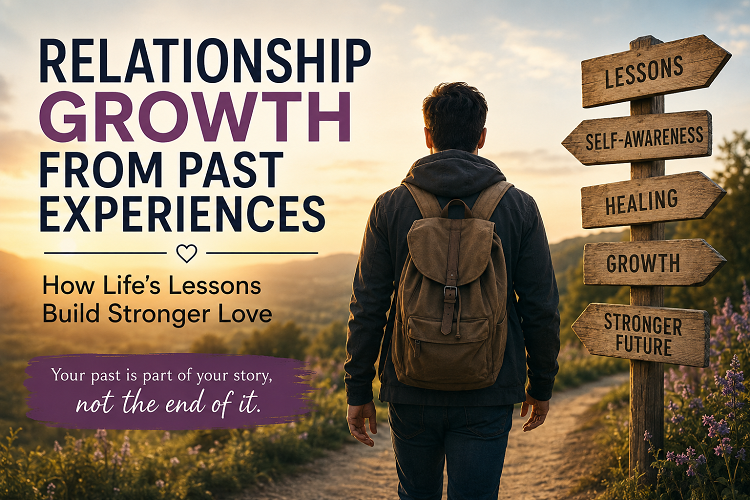
Your past informs your story.
It does not define your future.
Author Bio
This article was written by a relationship wellness content specialist focused on dating, emotional resilience, and healthy communication education.
Editorial Review Note
Content is reviewed for factual accuracy and alignment with reputable relationship and mental wellness resources.
Disclaimer
This article is for educational purposes only and does not replace professional mental health, relationship counseling, or medical advice.