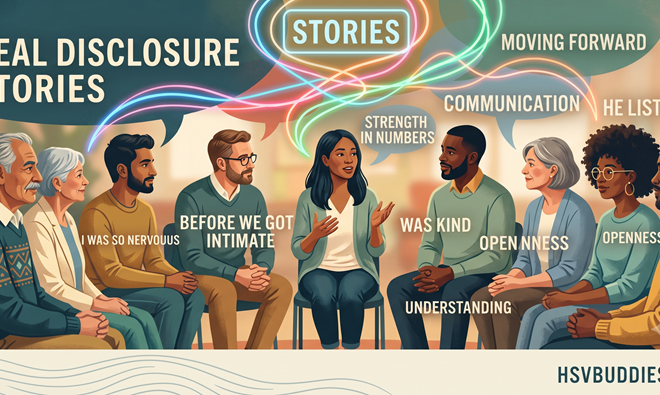
Sharing your herpes journey on social media is a deeply personal decision. For some, it feels empowering and liberating. For others, it may feel intimidating or even risky. There is no universal “right” choice — but there is a right way to approach it if you decide to open up publicly.
Social media has the power to educate, reduce stigma, and connect people who feel alone. When handled thoughtfully, your story can become a source of strength not only for you, but for others navigating similar experiences.
Why People Choose to Share Their Story
For many, a herpes diagnosis can bring shame, fear, or isolation. Social media offers a space to transform those feelings into something meaningful. Some people share to educate others, some to reclaim their narrative, and some to support those who are struggling silently.
Common motivations include:
-
Reducing stigma through real experiences
-
Helping newly diagnosed people feel understood
-
Rebuilding self confidence
-
Connecting with supportive communities
-
Taking control of the narrative
Your reason for sharing is personal. There is no single “right” motivation, only what feels true to you.
Understanding Your Boundaries First
Before posting, take time to define what you are comfortable sharing. You do not owe anyone your full story. Decide:
-
What details you will keep private
-
Who you want to reach
-
Which platforms feel safest
-
How you will respond to questions or negativity
Boundaries protect your emotional wellbeing and help you stay in control of your message.
Questions to Ask Before Sharing Your HSV Story Online
Before making a public post about herpes, consider several important questions.
1. Why Do You Want to Share?
Understanding your motivation helps determine whether public disclosure aligns with your emotional goals.
Examples may include:
- advocacy
- emotional release
- awareness building
- helping others
- finding support
- reducing shame
Being clear about personal intentions helps create healthier boundaries.
2. Are You Comfortable With Long-Term Visibility?
Social media posts can spread quickly and may remain searchable for years through screenshots, reposts, archives, or search engine indexing.
Consider whether you would feel comfortable if:
- coworkers saw the post
- family members discovered it
- future employers viewed it
- romantic partners accessed it later
- strangers shared the content elsewhere
Online visibility can become permanent even after deletion.
3. Do You Prefer Public or Anonymous Sharing?
Some individuals feel more comfortable sharing anonymously rather than attaching personal identities to health discussions.
Anonymous options may include:
- Reddit communities
- anonymous blogs
- support forums
- pseudonym accounts
- private discussion groups
Anonymity may reduce stress while still allowing emotional expression and community connection.
4. Are You Emotionally Prepared for Mixed Reactions?
Not everyone online responds with empathy or understanding. While many communities are supportive, negative comments or misinformation may still appear.
Preparing emotionally beforehand may help reduce distress if reactions become uncomfortable.
Risks of Sharing a Herpes Diagnosis Publicly
While sharing can be empowering, it also carries potential risks that deserve careful consideration.
Privacy Concerns
Once content is posted publicly, complete control over distribution becomes difficult.
Possible risks include:
- screenshots
- reposting
- online gossip
- workplace exposure
- family discovery
- identity sharing
Understanding these possibilities helps individuals make informed choices.
Emotional Stress
Negative reactions, insensitive jokes, or judgmental comments can affect emotional wellbeing. Some individuals may experience anxiety after public disclosure.
Social Consequences
Public disclosure may influence:
- dating experiences
- friendships
- professional relationships
- social interactions
Although many people respond supportively, others may lack accurate sexual health knowledge.
Misinformation and Trolls
Social media platforms sometimes contain harmful misinformation about herpes. Educational posts may occasionally attract inaccurate comments or harassment.
Setting healthy boundaries online remains important.
How to Protect Your Privacy While Sharing Online
If you decide to discuss herpes online, several strategies may help protect emotional and personal safety.
Avoid Sharing Sensitive Personal Information
Avoid publicly posting:
- home address
- workplace information
- legal documents
- medical paperwork
- phone numbers
- identifiable private details
Adjust Privacy Settings
Review platform privacy settings carefully. Restricting audience access may reduce unwanted exposure.
Consider Anonymous Platforms
Anonymous or pseudonym-based communities may provide emotional support with lower visibility risks.
Set Emotional Boundaries
Not every comment deserves engagement. Blocking, muting, or limiting interactions can protect mental wellbeing.
Common Herpes Myths Social Media Often Spreads
Myth: Herpes destroys relationships
Fact: Many people with HSV maintain healthy long-term relationships.
Myth: Only promiscuous people get herpes
Fact: Anyone who is sexually active may potentially encounter HSV exposure.
Myth: Herpes always causes severe symptoms
Fact: Many individuals experience mild symptoms or no symptoms at all.
Myth: People with herpes cannot date normally
Fact: Many individuals continue dating, marrying, and building families after diagnosis.
Choosing the Right Platform
Different platforms create different experiences.
-
Private groups offer safety and empathy
-
Public profiles allow education and advocacy
-
Anonymous accounts provide freedom with less risk
Choose a space that matches your comfort level and long term goals.
The Power of Community Support
While social media can be a place for expression, it is not always the safest space for vulnerability. Many people find balance by sharing publicly in small ways while relying on private communities for deeper support.
This is where PositiveSingles plays an important role. Beyond dating, it provides a private environment where people living with herpes can connect without fear of judgment. Members often share experiences, encouragement, and coping strategies in a space designed for understanding rather than explanation.
For many, this kind of community helps rebuild confidence before or after sharing their story publicly.
Frequently Asked Questions
Should I share my herpes diagnosis publicly?
This depends entirely on personal comfort, emotional readiness, privacy concerns, and life circumstances.
Is anonymous sharing safer?
Anonymous sharing may reduce visibility risks while still allowing emotional expression and community support.
Can talking about herpes online reduce stigma?
Educational and respectful conversations may help improve awareness and reduce misinformation.
What if someone reacts negatively?
Negative reactions often reflect misinformation or stigma rather than personal worth. Emotional boundaries and support systems are important.
Can employers or family members see public posts?
Yes. Public social media content may potentially be viewed, shared, or archived by others.
A Final Thought: Share From Strength
The “right way” to share your herpes journey isn’t about perfection. It’s about intention, boundaries, education, and self-respect.
You are not obligated to disclose publicly. You are not required to advocate. But if you choose to share, do so because you are ready, not because you feel pressured.
Your diagnosis does not define your value.
Your voice can reduce stigma.
When shared with care and confidence, your story can become a source of hope — not just for others, but for yourself.
Ready to Connect Without Fear or Judgment?
You deserve a space where honesty is safe, support is real, and connections are built on understanding.
PositiveSingles brings together people who share similar experiences and values, making it easier to build confidence and meaningful relationships.
Join PositiveSingles today and take the first step toward connection, support, and a future filled with possibility.