Dating With Herpes Is Changing and PositiveSingles Is Why
Dating with herpes has long carried an invisible emotional weight. For many people, building relationships while living with an STD meant navigating fear, uncertainty, and stigma often before a connection even had the chance to grow. PositiveSingles was created to change this experience by offering a dating environment built on understanding, privacy, and emotional safety rather than judgment.
For years, dating with herpes or another STD carried an invisible emotional weight. Every new connection raised difficult questions: When should I share this? How will they react? Will this change how they see me?
Those concerns shaped dating decisions for millions of people not because of who they were, but because of how society framed sexual health.
Today, that reality is changing.
Across the world, people are choosing honesty, emotional safety, and understanding over silence and shame. Purpose-built dating communities are reshaping how connection happens for people living with STDs. At the centre of this shift is PositiveSingles.
This change is not about trends or technology alone. It represents a new standard for dignity, confidence, and meaningful connection in modern dating.
Why This Conversation Matters Now
Dating culture is evolving. Conversations around mental health, boundaries, consent, and emotional wellbeing are no longer optional they are expectations.
For people living with herpes or other STDs, this shift is especially significant. Traditional dating platforms were never designed with their lived realities in mind. Disclosure anxiety, stigma, and misinformation often made dating feel emotionally risky rather than exciting.
As more people prioritise healthier relationship dynamics, platforms that centre understanding instead of judgment are becoming essential. This is where the future of STD dating is taking shape.
Why Swipe Culture Often Fails People With STDs
Mainstream dating apps prioritise speed, surface-level attraction, and constant evaluation. While this approach works for some, it often fails people who need privacy, context, and emotional safety.
Common challenges include:
-
Anxiety around when to share personal health information
-
Emotional fatigue from repeated explanations
-
Fear of being judged or misunderstood
-
Limited control over sensitive personal details
Over time, these experiences can make dating feel discouraging rather than hopeful. A different starting point is needed one built on shared understanding.
What Happens When Dating Starts With Understanding 
PositiveSingles was built on a simple idea: dating becomes healthier when understanding replaces fear.
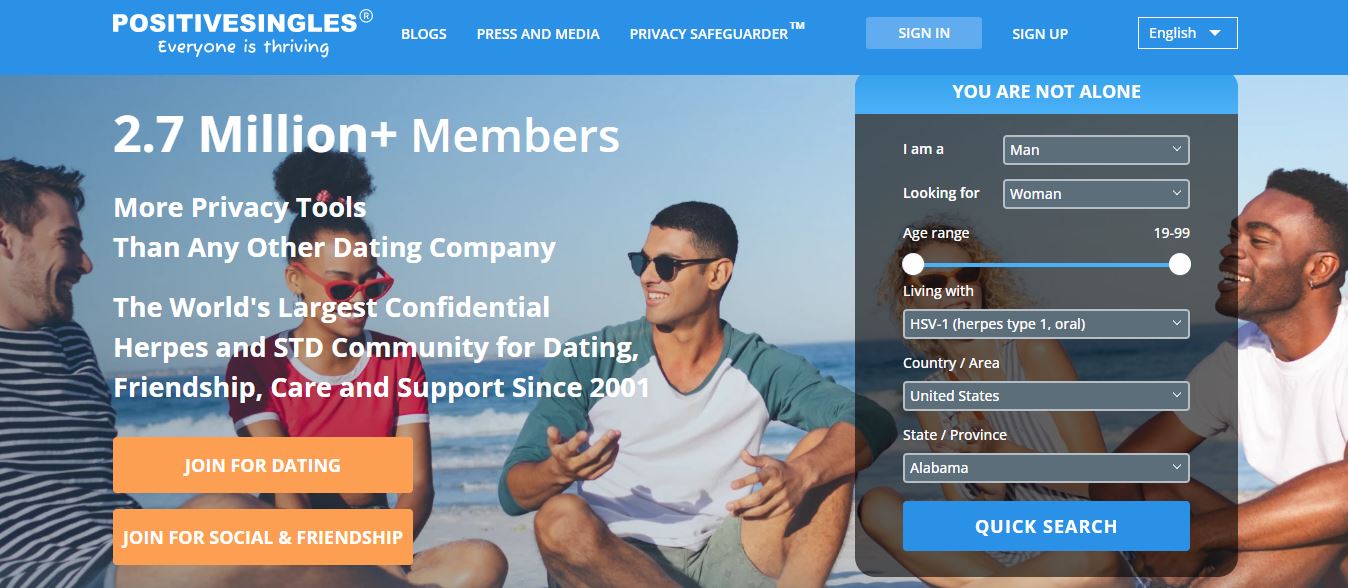
Instead of leaving individuals to navigate disclosure alone, the platform integrates awareness into the experience from the beginning. Everyone arrives with context, not assumptions.
Disclosure Without Pressure
Health status is part of the shared foundation, allowing conversations to focus on compatibility, values, and connection.
Privacy That Reflects Real Life
Users control what they share and how they engage. This discretion is essential in both personal and cultural contexts.
Authentic Connection Over Performance
Without swipe-driven pressure, people feel freer to communicate honestly and thoughtfully.
Community Beyond Dating
Support forums, educational content, and shared experiences help reduce isolation and build confidence over time.
Technology Designed With Empathy
Dating technology is most effective when it supports emotional wellbeing, not just efficiency.
PositiveSingles combines practical tools with empathy-led design:
-
Compatibility-focused search options
-
Location-based connections for real-world interaction
-
Moderation standards that prioritise respect
-
Safety features that protect privacy and boundaries
Together, these elements create a dating environment that feels intentional rather than transactional.
Honest Conversations Without Emotional Cost
One of the most meaningful changes in STD dating is the ability to communicate openly without fear.
When disclosure is no longer a looming concern, conversations become more grounded. People discuss boundaries earlier, expectations more clearly, and emotions more openly.
This leads to:
-
Stronger trust
-
Healthier pacing in relationships
-
Fewer misunderstandings
-
Greater emotional resilience
Dating becomes a choice, not a test.
How Normalisation Helps Reduce Stigma
Stigma thrives in silence. It weakens when experiences are shared and normalised.
By creating a space where STD-positive dating is expected rather than hidden, PositiveSingles helps users unlearn internalised shame. Over time, this contributes to stronger self-esteem and emotional wellbeing both within dating and beyond it.
The platform does not ask people to explain or justify themselves. It simply allows them to connect without judgment.
Who Finds the Most Value in PositiveSingles
PositiveSingles is designed for people who value:
-
Dating without judgment
-
Partners who understand STD realities
-
Control over privacy and self-expression
-
Emotional safety alongside attraction
-
Community support in addition to dating
Whether newly diagnosed or living confidently with an STD for years, users benefit from an environment that meets them with understanding.
What the Future of Dating Looks Like Without Shame
The future of dating is not about ignoring health challenges. It is about creating spaces where those challenges do not define identity, worth, or possibility.
PositiveSingles reflects a broader cultural shift toward intentional dating, dating rooted in honesty, empathy, and emotional intelligence. As more people prioritise wellbeing over performance, platforms built with care will continue to lead.
Frequently Asked Questions About Herpes and STD Dating
Is dating with herpes or an STD becoming more accepted?
Yes. As conversations around sexual health and emotional wellbeing become more open, many people recognise that herpes and other STDs are common, manageable conditions that do not define relationship potential.
Why do STD-specific dating platforms exist?
They exist to reduce stigma and remove disclosure anxiety. Shared understanding allows dating to feel calmer, safer, and more emotionally supportive.
How is PositiveSingles different from mainstream dating apps?
PositiveSingles is built specifically for people living with STDs. Disclosure is part of the foundation, privacy controls are stronger, and emotional safety is prioritised alongside connection.
Is it safe to date online if I have an STD?
Yes, when using reputable platforms that prioritise privacy, moderation, and respectful communication. Purpose-built communities often provide safer experiences than general dating apps.
Do I need to publicly share my diagnosis?
No. Users control what they share and with whom. Privacy settings help protect personal information while still allowing meaningful interaction.
Can people with herpes have long-term relationships?
Absolutely. Many people living with herpes or other STDs build strong, loving, long-term partnerships based on trust and communication.
Is STD dating limited to casual connections?
No. Many users form serious relationships and long-term partnerships through STD-focused dating platforms.
Does this page provide medical advice?
No. This content focuses on dating culture and emotional wellbeing. Readers should consult qualified healthcare professionals for medical guidance.
Find Support, Confidence, and Real Connection with PositiveSingles
You deserve a dating space where honesty is welcomed and understanding comes naturally. PositiveSingles connects people living with herpes and other STIs in a private, respectful community built on trust, compassion, and real relationships.
Whether you are looking for companionship, friendship, or long term love, PositiveSingles helps you connect with people who truly understand your journey.
Take the First Step Today
Create your profile, share your story, and connect with people who value honesty and respect. Your next meaningful connection could begin right now.
Join PositiveSingles and experience dating with confidence, comfort, and care.
Editorial Note
This article is intended for educational and supportive purposes. It does not replace professional medical advice.