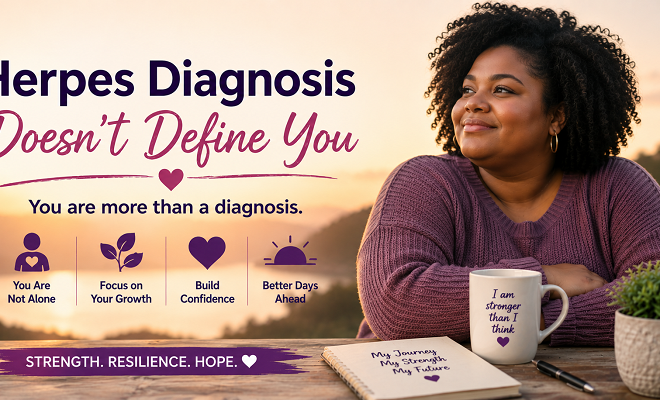
Living at the intersection of bisexual identity and HSV status creates a unique social reality. Each identity alone already carries misunderstanding, stigma, and silence. Together, they often amplify one another. Bisexual HSV Singles frequently navigate rejection in dating spaces, erasure within LGBTQ+ communities, and judgment from broader society. This article explores why these challenges exist, how they affect daily life, and what meaningful support can look like.
Understanding the Intersection: Bisexuality and HSV
Bisexual Identity and Social Perception
Bisexuality remains widely misunderstood. Many people still view it as a phase or indecision rather than a valid sexual orientation. Bisexual individuals are often unfairly stereotyped as promiscuous or unreliable, which directly affects how others respond to their relationships and health disclosures.
This misunderstanding leads to bi-erasure, where bisexual people feel invisible or pressured to conform to one label. That pressure increases when navigating relationships, community spaces, or conversations around sexual health.
HSV in Context
Herpes Simplex Virus is one of the most common sexually transmitted infections worldwide. From a medical standpoint, it is manageable. Socially, it is heavily stigmatized. HSV is frequently framed as a moral issue instead of a health condition, despite the fact that many people contract it without symptoms or prior knowledge.
For singles, disclosure often feels like a defining moment. Fear of rejection, gossip, or judgment can push people into silence and isolation.
When These Identities Overlap
For bisexual HSV singles, stigma compounds. They may face:
- Assumptions of irresponsibility linked to bisexual stereotypes
- Increased scrutiny around sexual history
- Reduced empathy during HSV disclosure
- A lack of spaces that reflect their full identity
This overlap creates a social gap where individuals feel unseen and unsupported.
Key Social Support Challenges
Double Stigma and Compounded Shame
Bisexual HSV singles often experience what researchers describe as double stigma. One identity reinforces negative assumptions about the other. For example, HSV disclosure may be met with comments implying bisexual people are more likely to transmit infections, despite no medical evidence supporting this belief.
Repeated exposure to these messages can lead to internalized shame and lowered self-esteem.
Limited Inclusive Dating Environments
Many dating platforms lack language or features that respect both bisexual identity and HSV status. Some HSV-focused platforms remain heavily heteronormative, while certain LGBTQ+ spaces avoid open discussion of sexually transmitted infections.
This leaves bisexual HSV singles feeling like they do not fully belong in either space.
Inconsistent Support Within LGBTQ+ Communities
Although LGBTQ+ communities are often viewed as supportive, bisexual members frequently report feeling overlooked. When HSV enters the conversation, the silence often deepens. Health discussions may focus heavily on HIV while other conditions receive little attention.
As a result, bisexual HSV singles may hesitate to speak openly, even in spaces intended to be affirming.
Family and Cultural Barriers
In many cultural contexts, bisexuality is rarely discussed openly, and sexually transmitted infections are treated as taboo. Bisexual HSV singles may encounter rejection, moral judgment, or pressure to hide important parts of their identity. Without family understanding, emotional isolation increases.
Emotional and Psychological Impact
Fear Around Disclosure
Disclosure becomes emotionally draining when rejection feels unavoidable. Many bisexual HSV singles carefully rehearse conversations, anticipating judgment from partners who may already question their orientation.
This fear can delay intimacy and interfere with forming healthy relationships.
Isolation and Loneliness
When people feel unable to talk openly, withdrawal often follows. Social isolation is one of the most commonly reported experiences among HSV-positive individuals, and bisexual singles frequently experience it more intensely.
Anxiety and Depression
Ongoing stigma contributes to chronic stress, anxiety, and depressive symptoms. The lack of visible role models or positive narratives reinforces the belief that acceptance and long-term relationships are out of reach.
Social Support Matters
Social support is essential for emotional well-being. It influences mental health, treatment adherence, and relationship satisfaction. Supportive environments help individuals:
- Normalize their experiences
- Learn healthy communication and disclosure skills
- Build confidence and resilience
- Reduce shame and self-blame
Without support, stigma continues to thrive.
Community Voices and Lived Experience
Shared Experiences From Bisexual HSV Singles
Across online forums and peer-led groups, common themes appear:
- Feeling invisible in both straight and gay spaces
- Facing assumptions of recklessness before being known as a person
- Finding HSV disclosure more difficult due to bisexual stereotypes
These voices make it clear that the issue is not bisexuality or HSV, but how society responds to them.
Community-Led Support Spaces
Many bisexual HSV singles find relief in peer-led communities where lived experience is centered. These spaces often provide:
- Open discussions about dating and disclosure
- Emotional validation without judgment
- Practical advice grounded in real-life experience
Examples include HSV support forums, bisexual mental health groups, and private online communities moderated by HSV-positive advocates.
Strengthening Support Systems
Inclusive Sexual Health Education
Education must move beyond fear-based messaging. Accurate information about HSV transmission, management, and disclosure reduces stigma. Including bisexual perspectives ensures education reflects real diversity.
Affirming Dating Platforms
Dating platforms that normalize STI conversations and bisexual identity help reduce anxiety. Clear community guidelines and respectful language make a meaningful difference.
Peer Support and Mentorship
Connecting newly diagnosed individuals with experienced community members builds confidence and reduces isolation. Peer mentorship reinforces the message that life, love, and connection continue after diagnosis.
Allyship Within LGBTQ+ Spaces
LGBTQ+ organizations can strengthen community support by openly discussing HSV and acknowledging bisexual experiences. Silence, even when unintended, reinforces stigma.
Practical Coping Strategies for Individuals
Reframing Self-Worth
HSV does not define character, value, or desirability. Bisexuality is not confusion or excess. Actively challenging internalized stigma is a powerful step toward healing.
Disclosure at Your Own Pace
Disclosure is a personal choice, not an obligation to everyone. Many individuals gain confidence by:
- Sharing information after trust develops
- Using calm, factual language
- Addressing misconceptions directly
Building Intentional Community
Not every space will feel safe, and that is not a personal failure. Finding even one supportive community can significantly reduce loneliness and improve well-being.
Role of Healthcare and Mental Health Professionals
Healthcare and mental health professionals play a critical role in shaping self-perception. Affirming care includes:
- Non-judgmental sexual health counseling
- Respect for bisexual identity
- Mental health screening for stigma-related stress
Trustworthy professionals help replace fear with understanding.
Community Sources and Shared Knowledge
While academic research focused specifically on bisexual HSV experiences remains limited, community-based knowledge fills critical gaps. Trusted sources often include:
- Peer-moderated HSV support forums
- Bisexual mental health advocacy groups
- Sexual health educators with lived experience
- Non-profit sexual health and wellness organizations
These communities provide practical insight that complements medical information.
Moving Toward Visibility and Acceptance
Visibility challenges stigma. When bisexual HSV singles share their stories, harmful narratives begin to weaken. Representation in media, health education, and community leadership shifts the conversation from shame to strength.
Support grows when people feel seen and understood.
Conclusion
Bisexual HSV Singles face social support challenges not because of who they are, but because of persistent stigma, misinformation, and erasure. Understanding these challenges requires listening to lived experience, respecting medical facts, and building inclusive communities.
With accurate education, affirming environments, and peer-led support, bisexual HSV singles can move from isolation to connection. Social support is not about changing people. It is about creating spaces where they can live fully and authentically.